
Learning how to increase sperm count naturally in India starts with three clinically proven levers: a nutrient-dense, antioxidant-rich diet; correction of modifiable lifestyle factors like heat exposure, smoking, and alcohol; and consistent sleep and exercise patterns that support healthy testosterone and spermatogenesis. Most low sperm count cases in Indian men are linked to oxidative stress, poor micronutrient intake (zinc, folate, vitamin D), and daily habits rather than untreatable medical conditions. With 3-6 months of disciplined changes, since sperm takes roughly 74 days to mature, many men see measurable improvement in count, motility, and morphology on a repeat semen analysis.
Male infertility contributes to nearly half of all couple infertility cases in India, yet it remains under-discussed compared to female fertility issues. If you and your partner are trying to conceive and a semen analysis has flagged a low sperm count (oligospermia), the good news is that sperm production is a continuously renewing process, unlike egg reserve in women. This guide breaks down exactly how to conceive naturally by improving male fertility through diet, lifestyle, and daily habits, using evidence-based strategies suited to Indian food culture, climate, and routines.
Male infertility contributes to nearly half of all couple infertility cases in India, yet it remains under-discussed compared to female fertility issues. If you and your partner are trying to conceive and a semen analysis has flagged a low sperm count (oligospermia), the good news is that sperm production is a continuously renewing process. This guide explains how to improve male fertility naturally through diet, lifestyle, and evidence-based strategies suited to Indian food culture and routines.
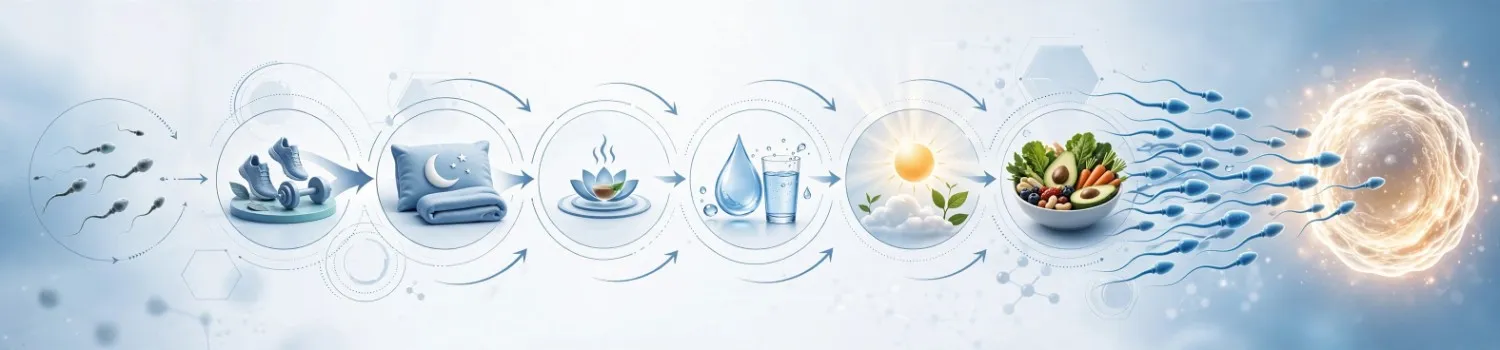
Whether you’re just starting to plan a family or have been trying for a while without success, this article provides a practical, step-by-step roadmap covering what to eat, what to avoid, which habits silently damage sperm quality, and how long improvement typically takes. It also explains realistic expectations, healthy daily practices, and simple lifestyle changes that can support stronger sperm production and increase the chances of natural conception over time.
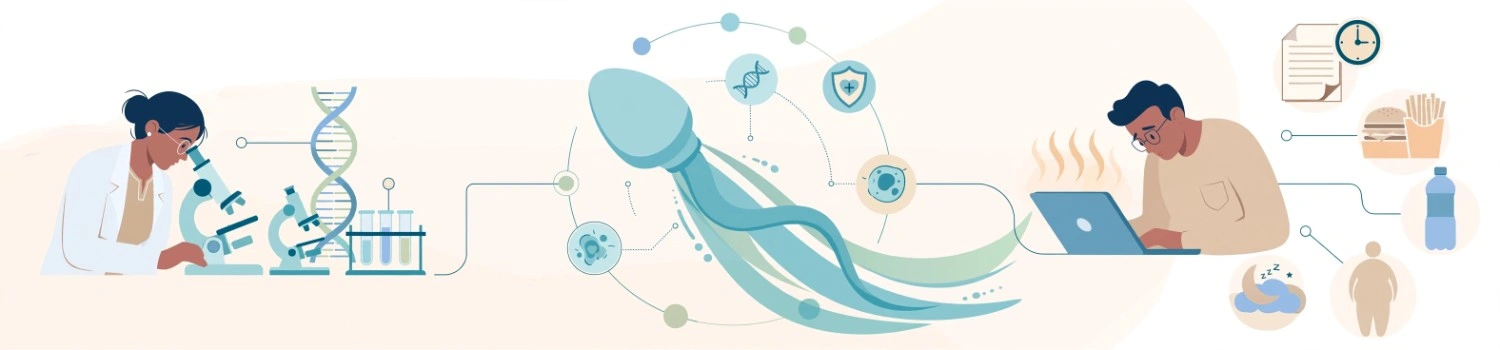
What Counts as a Healthy Sperm Count? Understanding the Numbers
Before addressing how to increase sperm count naturally in India, it helps to understand what “normal” actually means. According to World Health Organization reference values,
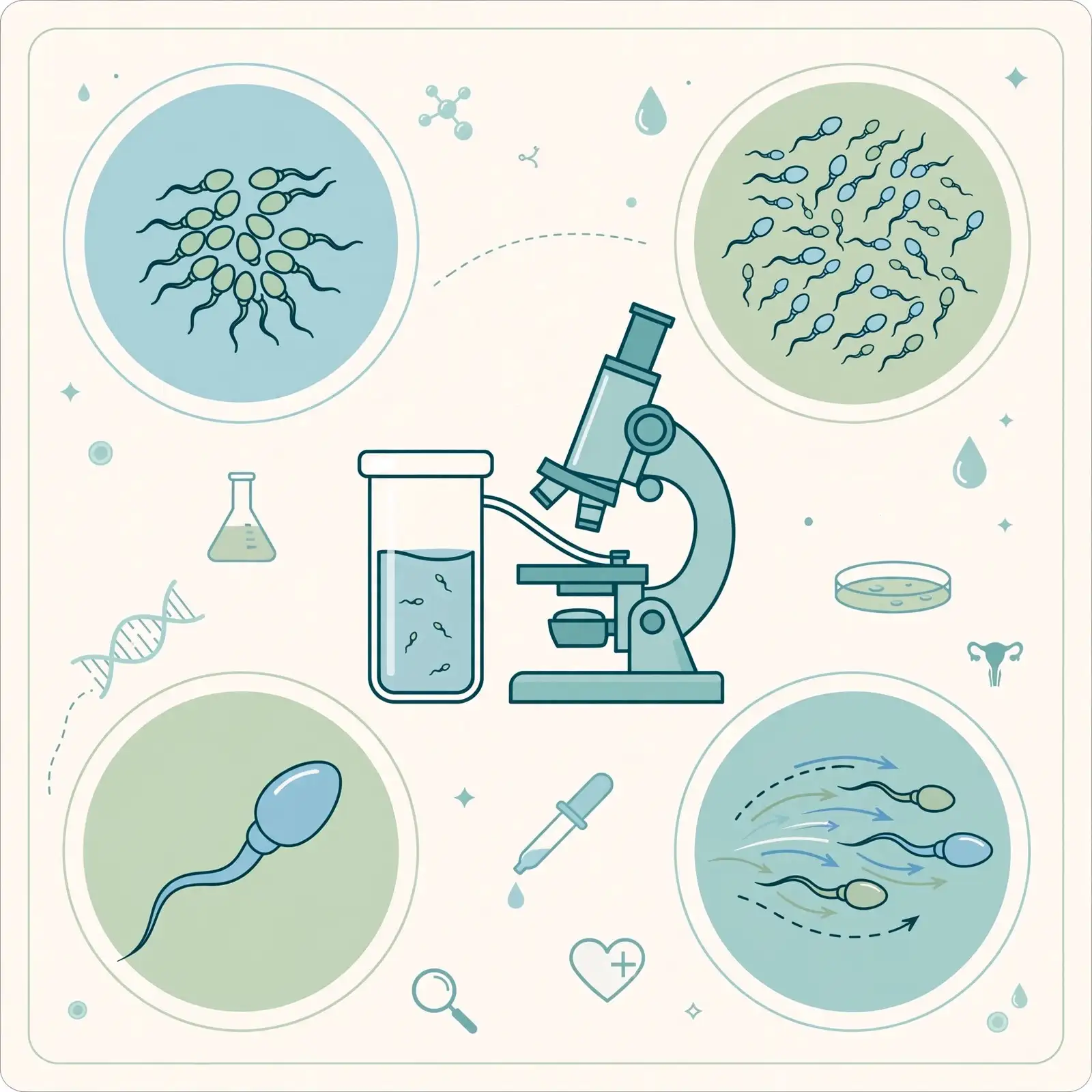
healthy semen sample generally shows:
- Sperm concentration: at least 15 million sperm per milliliter of semen
- Total sperm count: at least 39 million per ejaculate
- Total motility: at least 40% of sperm moving
- Normal morphology: at least 4% of sperm with typical shape
A count below these thresholds is medically termed oligospermia. It doesn’t mean infertility is guaranteed, it simply means the odds of natural conception are lower, and there’s meaningful room for improvement through targeted changes.
Why Sperm Count Matters More Than Ever for Indian Men
Urban Indian lifestyles have introduced a unique combination of risk factors: extended sitting hours in IT and corporate jobs, high ambient heat for much of the year, rising obesity rates, chronic work stress, irregular sleep, and increasing exposure to processed foods and plastics. Multiple Indian fertility clinics have reported a gradual decline in average sperm parameters over the past two decades, a pattern also documented globally in peer-reviewed research from the National Institutes of Health, which has tracked declining sperm concentration trends across several countries.
Main Causes of Low Sperm Count in Indian Men
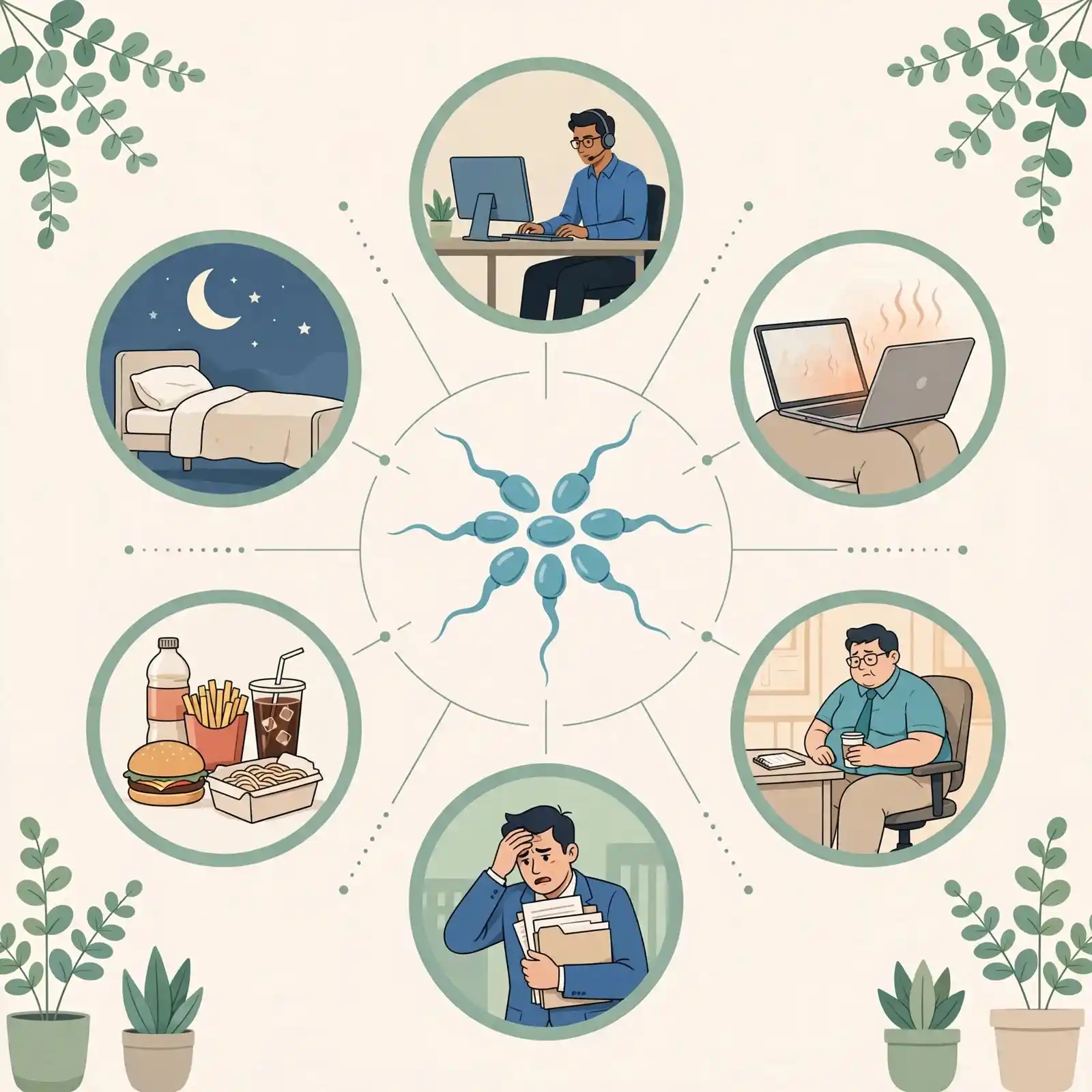
Understanding root causes makes it easier to reverse them. The most common contributors seen in Indian men include:
1. Heat exposure
Tight underwear, laptop use on the lap, long two-wheeler rides, and frequent hot water baths raise scrotal temperature, which impairs sperm production.
2. Nutrient deficiencies
Low zinc, folate, vitamin D, and vitamin C intake, often due to diets heavy in refined carbohydrates and low in vegetables.
3. Obesity and sedentary work
Excess abdominal fat converts testosterone into estrogen, disrupting the hormonal balance needed for spermatogenesis.
4. Tobacco, alcohol, and pan masala use
All documented to reduce sperm count and motility.
5. Chronic stress
Elevated cortisol suppresses the reproductive hormone axis.
6. Poor sleep
Fewer than 6 hours of sleep is consistently linked with lower testosterone levels.
7. Underlying conditions
Varicocele, infections, or hormonal imbalances that may need medical evaluation alongside lifestyle changes.

If lifestyle and diet changes don’t show improvement after 3-4 months, it’s worth combining this approach with a fertility specialist consultation to rule out structural or hormonal causes.
The Complete Diet Plan to Increase Sperm Count Naturally
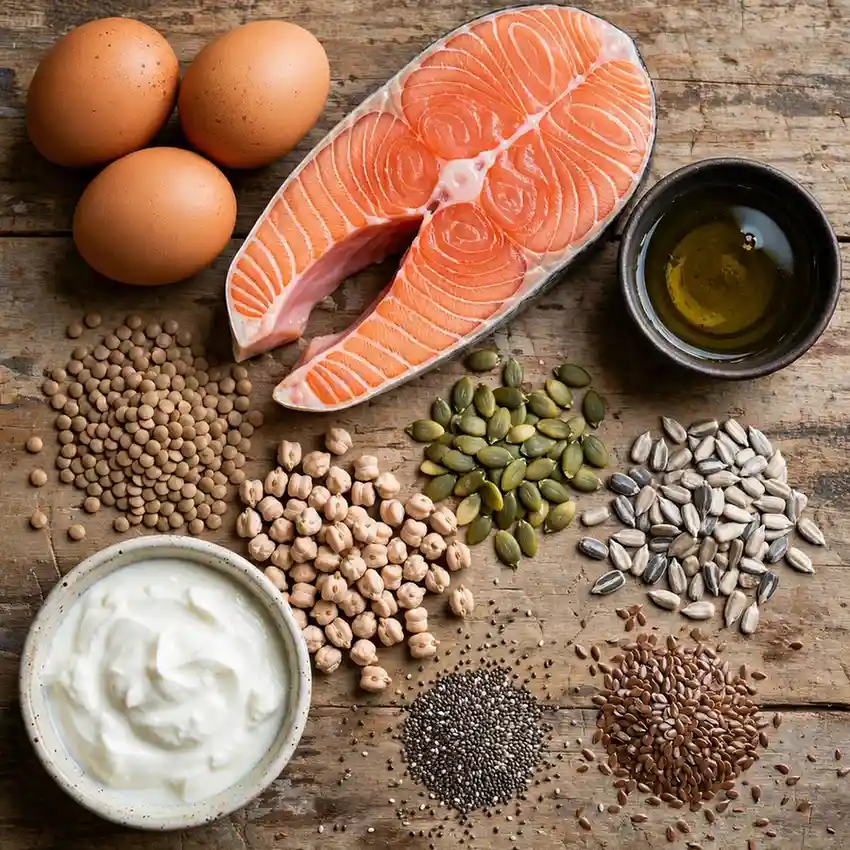
Diet is, by far, the most controllable factor. Below is a breakdown of the nutrients that matter most and where to find them in everyday Indian food.
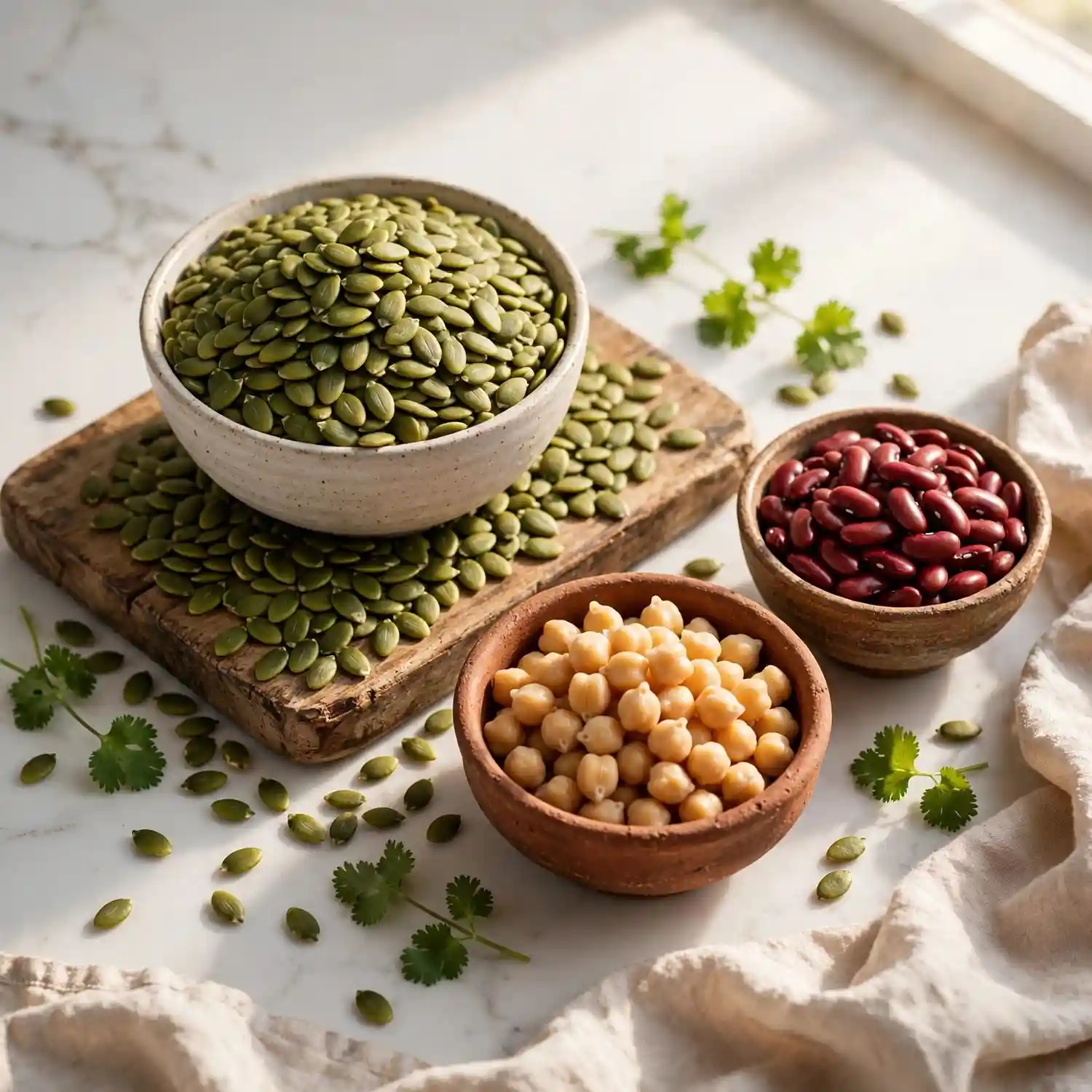
Zinc: The Most Important Mineral for Sperm Production
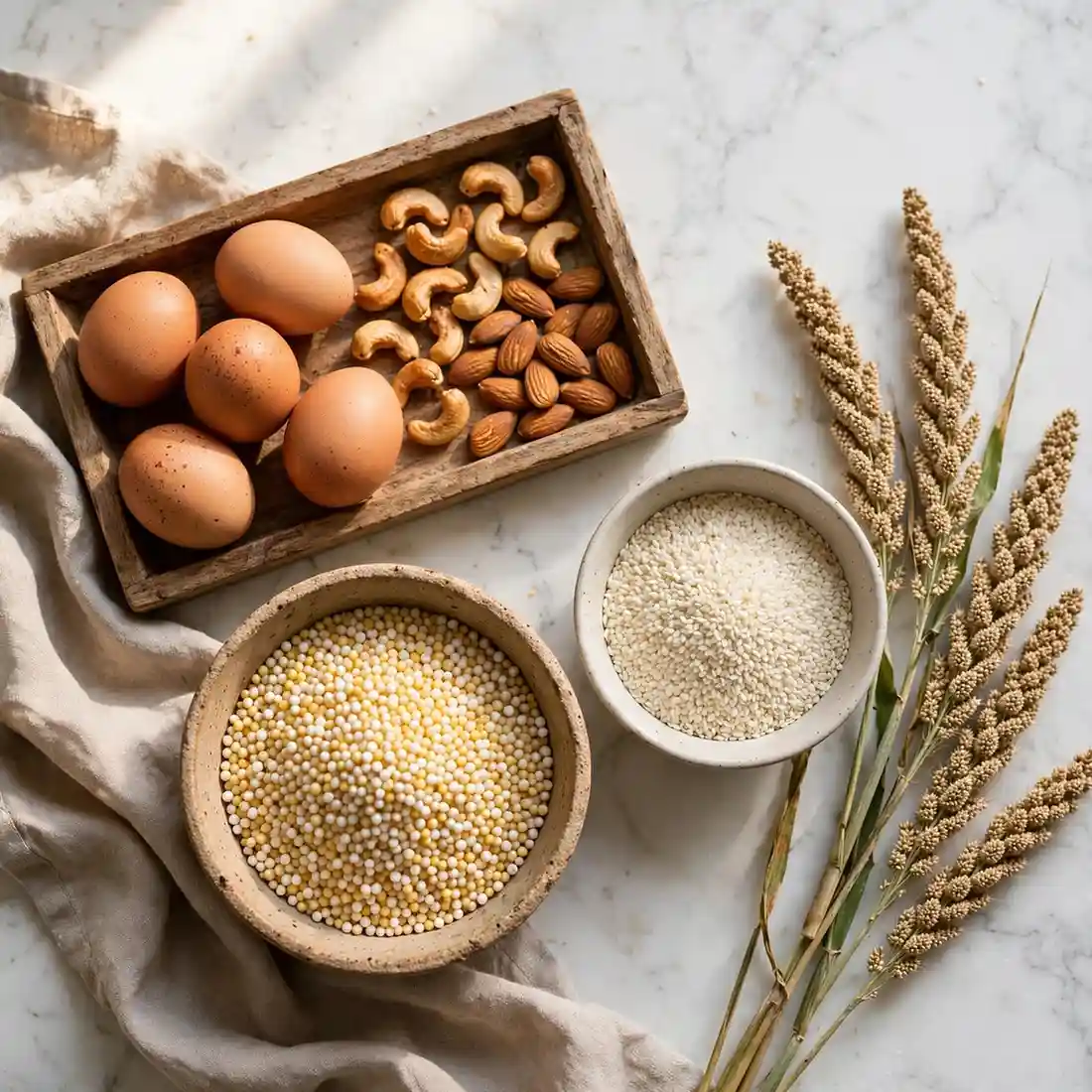
Zinc is directly involved in sperm formation, motility, and testosterone synthesis. A deficiency is one of the most common and correctable causes of low sperm count in Indian men, particularly among vegetarians.
Best Indian sources of zinc for male sperm production:
- Pumpkin seeds (kaddu ke beej)
- Chana (chickpeas) and rajma
- Sesame seeds (til)
- Eggs
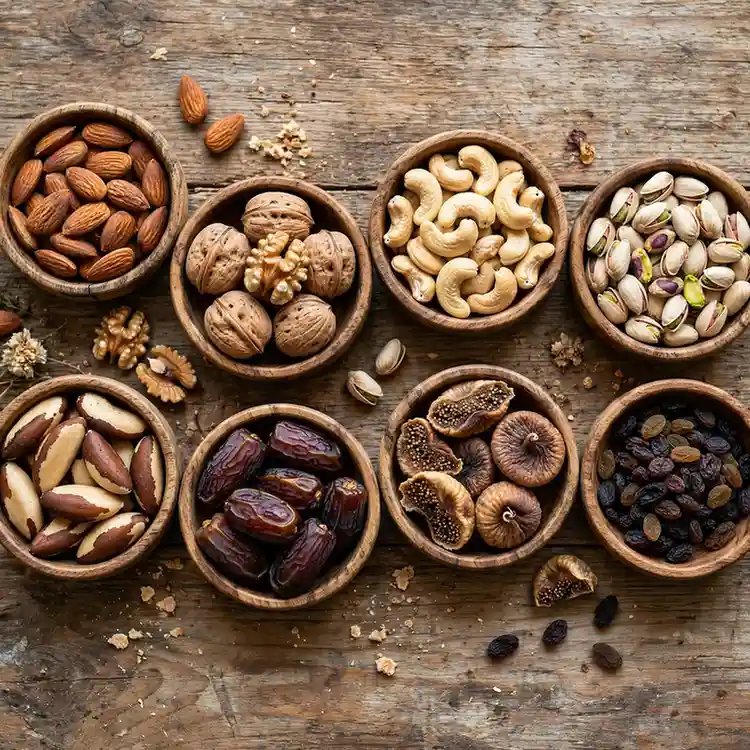
- Cashews and almonds
- Bajra (pearl millet)
Folate and Vitamin B12
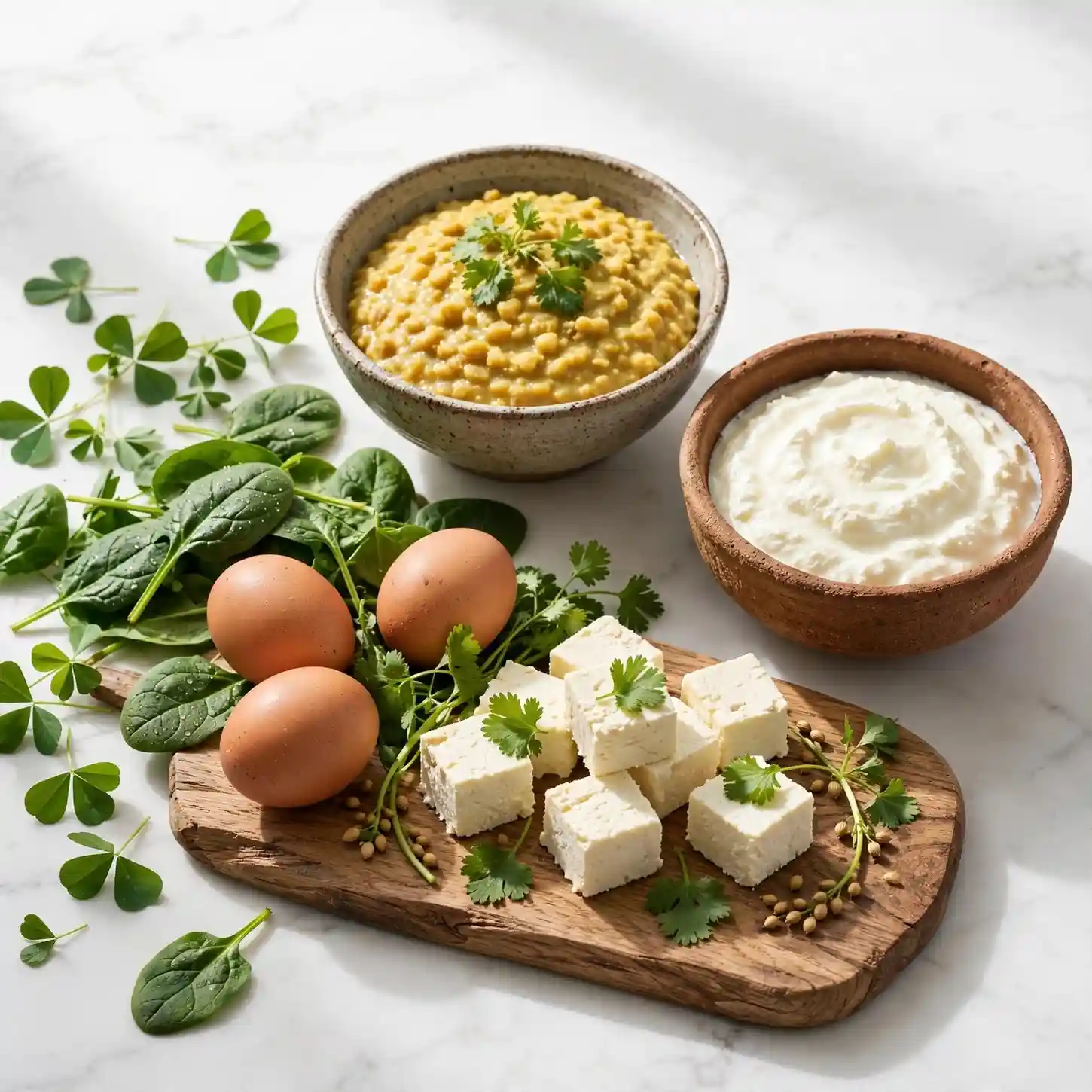
Folate supports DNA integrity within sperm cells, reducing the chance of chromosomal abnormalities, while B12 supports sperm concentration and motility. This is especially relevant for vegetarian and vegan men, who are more prone to B12 deficiency. Women trying to conceive are often advised to increase folic acid intake as well; you can read more in our guide on the best Indian food sources of folic acid for women trying to conceive, since couples benefit from aligning their nutrition goals together.
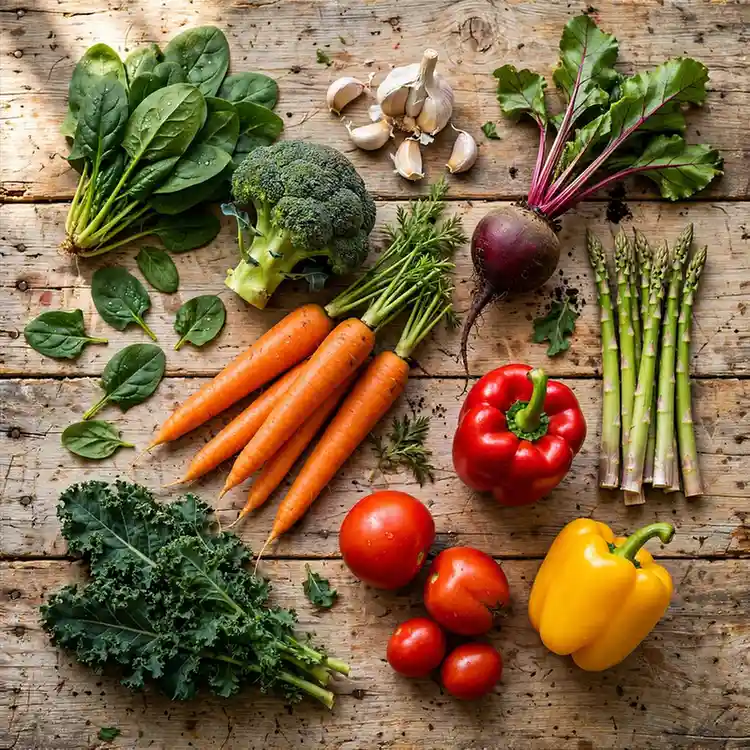
Sources: leafy greens (palak, methi), moong dal, curd, paneer, and eggs.
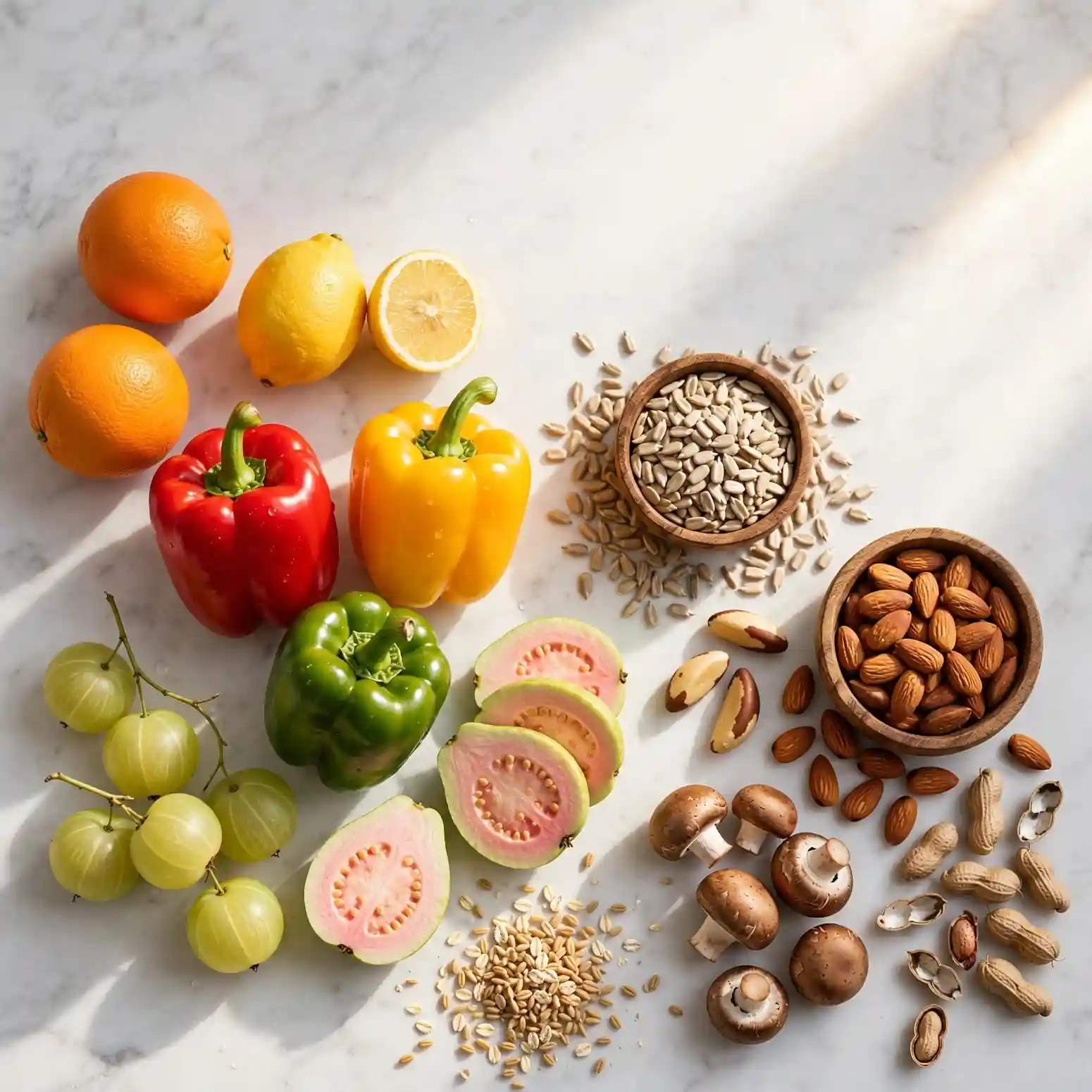
Antioxidants: Vitamin C, Vitamin E, and Selenium
Oxidative stress damages sperm DNA and reduces motility. Antioxidants neutralize this damage.
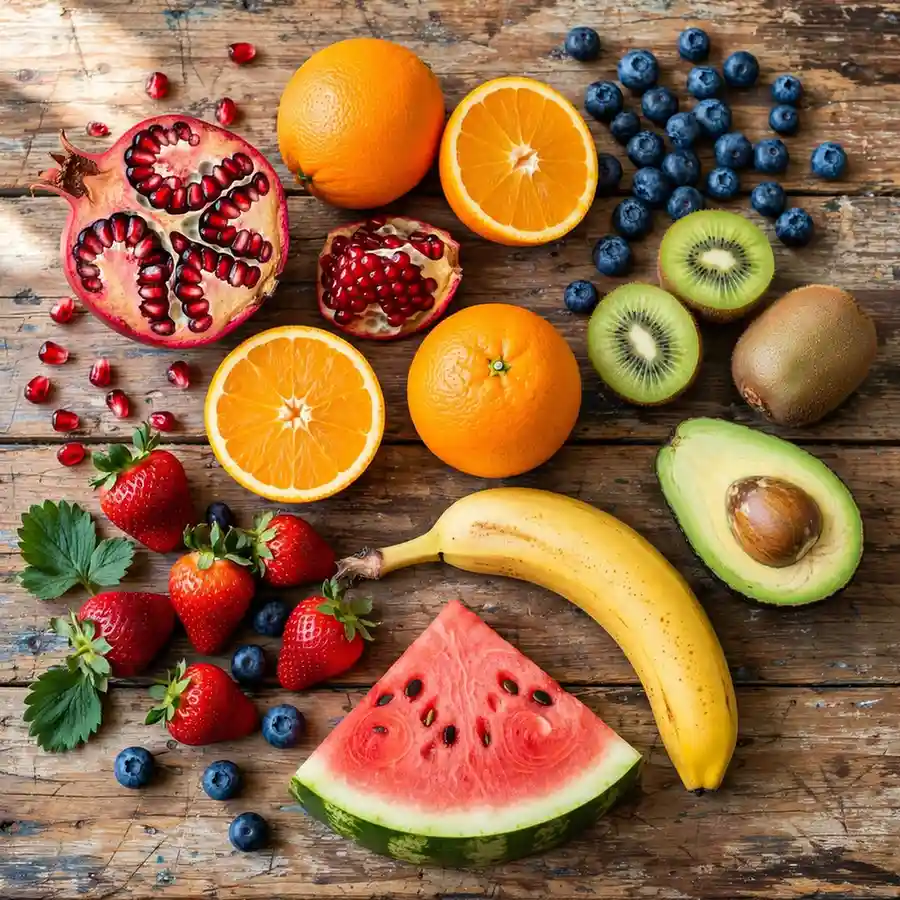
- Vitamin C: amla, guava, citrus fruits, bell peppers
- Vitamin E: sunflower seeds, almonds, groundnut oil
- Selenium: Brazil nuts (in moderation), whole grains, mushrooms
Omega-3 Fatty Acids
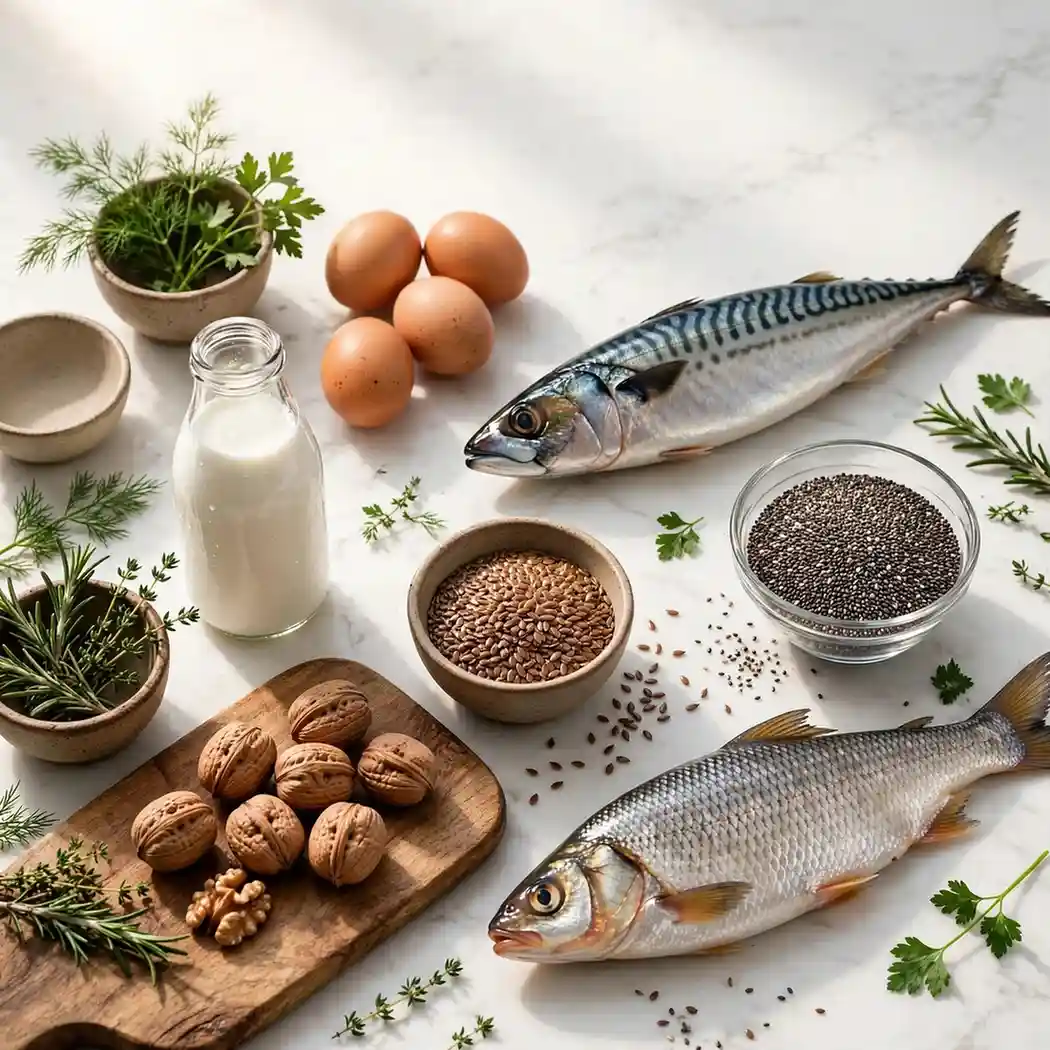
Omega-3 fatty acids help improve the fluidity and flexibility of the sperm membrane, allowing sperm to swim more efficiently and increasing overall motility. They also support sperm structure and may reduce oxidative damage. Include natural sources such as walnuts, flaxseeds (alsi), chia seeds, and, if you’re non-vegetarian, fatty fish like rohu or mackerel two to three times a week as part of a balanced fertility-friendly diet.
Vitamin D
Vitamin D receptors are present in sperm cells themselves, and low levels are associated with poor motility. Despite abundant sunlight, vitamin D deficiency is extremely common in urban India due to indoor jobs and sunscreen use. Ten to fifteen minutes of direct morning sunlight exposure a few times a week, along with foods like eggs and fortified milk, can help.
Nutrient Table: What to Eat and Why
| Nutrient | Role in Sperm Health | Best Indian Food Sources |
|---|---|---|
| Zinc | Boosts sperm count, motility, testosterone | Pumpkin seeds, chana, sesame seeds, eggs |
| Folate/B12 | Protects sperm DNA integrity | Palak, methi, moong dal, curd, eggs |
| Vitamin C | Reduces oxidative damage | Amla, guava, citrus fruits |
| Vitamin E | Protects sperm membrane | Almonds, sunflower seeds, groundnut oil |
| Omega-3 | Improves sperm motility | Walnuts, flaxseeds, rohu, mackerel |
| Vitamin D | Supports sperm production | Sunlight, eggs, fortified milk |
| Selenium | Supports sperm formation | Whole grains, mushrooms |
Foods and Habits That Lower Sperm Count: What to Avoid
Just as important as what you eat is what you cut down on.
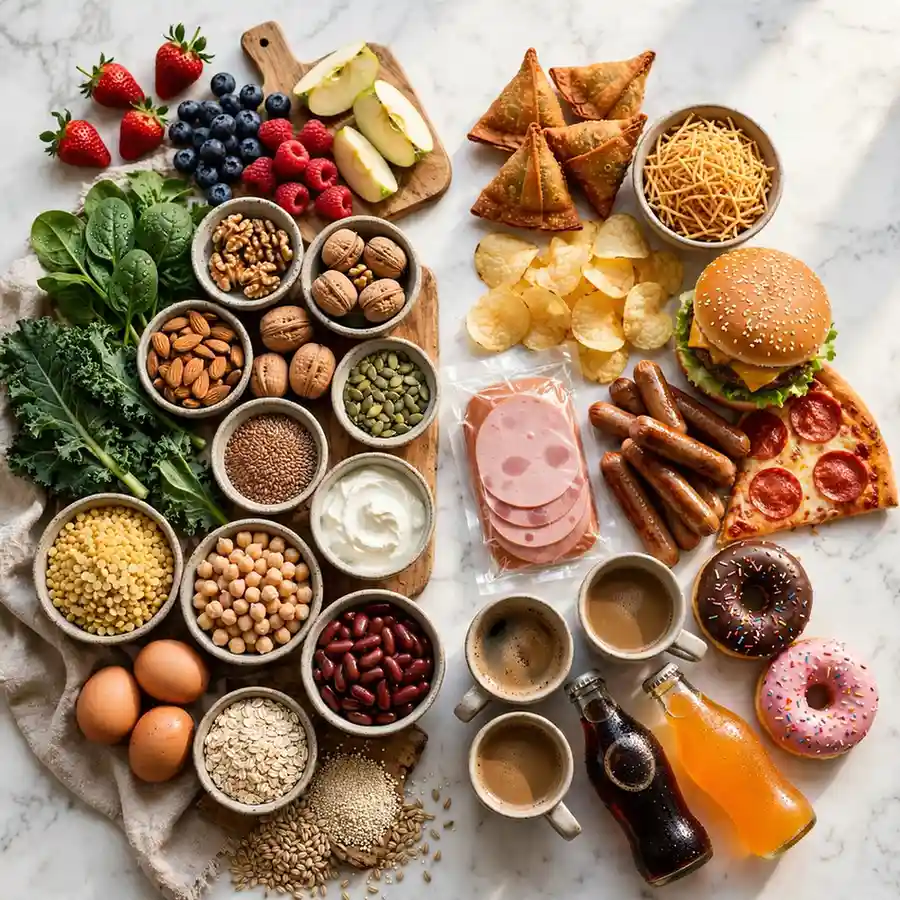
- Trans fats and deep-fried snacks like samosas and bhujia, when eaten frequently, are linked to lower sperm concentration.
- Excess sugar and sugary beverages can promote insulin resistance, disrupting the hormonal balance needed for healthy sperm production.
- Processed and packaged meats often contain preservatives that may negatively affect sperm quality.
- Very high soy intake, especially from soy-based protein powders, may have mild estrogen-like effects, though moderate soy consumption is generally considered safe.
- Excess caffeine (more than 2–3 cups of coffee a day) has been associated with reduced sperm motility in some studies.
- Regular alcohol consumption can lower testosterone levels and gradually impair sperm production over time.
- Tobacco, pan masala, and gutkha sperm DNA damage
Comparison Table: Sperm-Friendly vs Sperm-Harmful Choices
| Category | Better Choice | Avoid or Limit |
|---|---|---|
| Cooking oil | Mustard oil, groundnut oil, ghee (moderate) | Repeatedly reused frying oil |
| Snacks | Roasted makhana, nuts, seeds | Deep-fried packaged snacks |
| Beverages | Coconut water, buttermilk, herbal tea | Sugary sodas, excess alcohol |
| Protein | Eggs, paneer, dal, fish | Processed/preserved meats |
| Sweeteners | Jaggery in moderation | Refined sugar-heavy desserts daily |
Lifestyle Changes That Directly Improve Sperm Count
Diet alone isn’t enough if daily habits are working against it. These changes matter just as much.
1. Manage Scrotal Temperature
The testes function best a couple of degrees cooler than core body temperature. Common habits that raise scrotal heat include:
- Keeping a laptop directly on the lap for long periods
- Wearing tight-fitting synthetic underwear
- Long, frequent hot water baths or sauna-like steam exposure
- Extended two-wheeler rides on hot Indian roads without breaks
Switching to loose cotton underwear, using a laptop tray or desk, and taking breaks during long commutes can meaningfully reduce heat-related sperm damage.
2. Exercise Regularly, But Not Excessively
Moderate exercise, 30-45 minutes most days, improves testosterone and blood flow. However, excessive endurance cycling on hard seats or overtraining without recovery has been linked in some studies to reduced sperm quality, largely due to prolonged perineal pressure and heat. Strength training and moderate cardio are generally the safest combination.
3. Prioritize Sleep
Testosterone production peaks during deep sleep. Consistently sleeping less than 6 hours a night is associated with measurably lower testosterone and poorer sperm parameters. Aim for 7-8 hours with a consistent sleep and wake time, even on weekends.
4. Manage Stress
Chronic stress raises cortisol, which suppresses the hypothalamic-pituitary-gonadal axis responsible for sperm production. Simple, sustainable stress management, like 10 minutes of daily pranayama, a short walk after meals, or setting boundaries around work hours, can support hormonal balance over time.

5. Maintain a Healthy Body Weight
Both being significantly underweight and overweight can disrupt hormone levels. Excess abdominal fat, in particular, is linked to lower testosterone and higher estrogen conversion. A waist circumference under 90 cm for Indian men is a reasonable general target to work toward gradually.
Common Mistakes Indian Men Make When Trying to Improve Fertility

Mistake 1: Expecting overnight results.
Sperm takes about 74 days to fully mature, so any intervention needs at least 3 months before a repeat semen analysis is meaningful.
Mistake 2: Relying only on supplements without fixing diet or habits.
Supplements can help fill gaps but won’t offset a poor diet, smoking, or chronic heat exposure.
Mistake 3: Ignoring the female partner’s fertility timeline.
Since conception depends on both partners, it helps to also understand what is ovulation and conception and what exactly happens step by step, so efforts are timed well together.
Mistake 4: Overcorrecting with extreme diets.
Sudden, drastic calorie restriction or fad diets can lower testosterone rather than help it.
Mistake 5: Skipping medical evaluation.
If a semen analysis shows zero or extremely low sperm count (azoospermia or severe oligospermia), lifestyle changes alone may not be sufficient, and a fertility specialist should be consulted.
Mistake 6: Not addressing timing of intercourse.
Even with improved sperm parameters, conception is far more likely when intercourse is timed around ovulation; our guide on the best time to have intercourse to conceive is a useful companion resource.
Expert Tips for Faster, Sustainable Results
- Get a baseline semen analysis before starting changes, so progress can be objectively tracked.
- Combine dietary changes with a fertility-focused meal plan rather than isolated food swaps; our complete fertility diet meal plan guide can help structure this for both partners.
- Track sleep and stress alongside diet, since these are often the overlooked half of the equation.
- Reduce alcohol and tobacco gradually but consistently rather than only during a “trying to conceive” phase; hormonal recovery takes time.
- Recheck vitamin D and zinc levels through a basic blood test if progress stalls after 3 months, since deficiencies are common and easily corrected.
- If your partner has an underlying condition such as PCOS or thyroid imbalance, addressing both partners’ fertility together, rather than focusing solely on sperm count, improves overall chances; see our articles on how hypothyroidism affects female fertility and ovulation for more context.

Step-by-Step 90-Day Plan to Increase Sperm Count Naturally
Since a full sperm production cycle takes roughly 74 days, a 90-day structured plan gives a realistic window to see change.
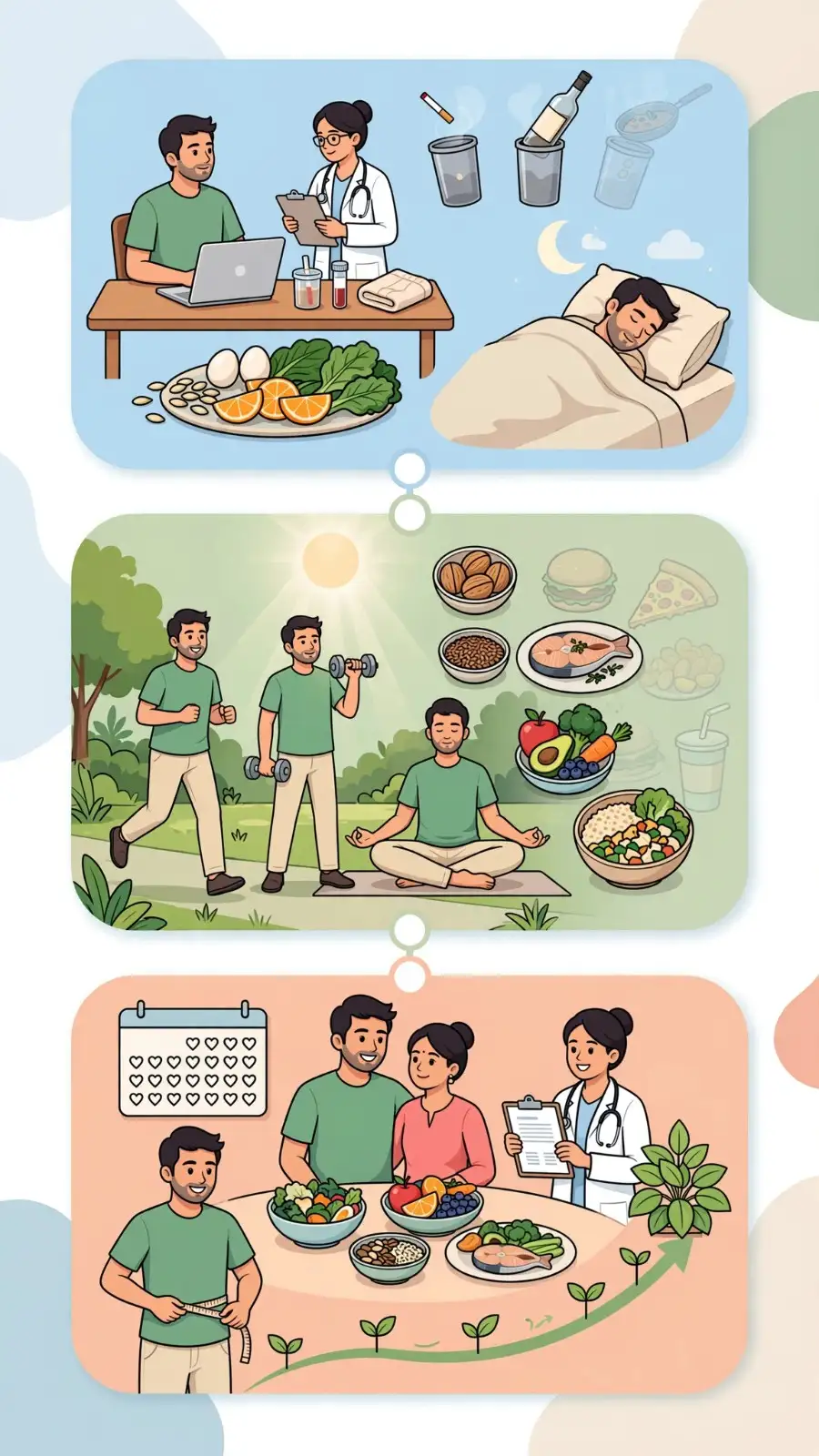
Days 1-30: Foundation
- Get a baseline semen analysis and basic blood work (vitamin D, zinc if possible).
- Switch to loose cotton underwear and stop keeping laptops on the lap.
- Cut down alcohol to occasional use and eliminate tobacco/pan masala entirely.
- Add one zinc-rich food and one vitamin C-rich food to every meal.
- Set a consistent sleep schedule targeting 7-8 hours.
Days 31-60: Reinforcement
- Introduce 30-45 minutes of moderate exercise, 4-5 days a week.
- Add omega-3 sources (walnuts, flaxseeds, or fish) at least 3 times a week.
- Practice a daily stress-reduction habit, such as 10 minutes of pranayama or a walk.
- Get 10-15 minutes of morning sunlight several times a week for vitamin D.
- Reduce processed and deep-fried food intake to occasional rather than daily.
Days 61-90: Consolidation
- Maintain all habits consistently, this is where most improvement compounds.
- Reassess body weight and waist circumference progress.
- Coordinate timing of intercourse with your partner’s ovulation window.
- Schedule a repeat semen analysis around day 90 to measure change.
- If parameters haven’t improved, consult a fertility specialist for further evaluation rather than extending lifestyle changes alone.
When to See a Fertility Specialist
Natural methods work well for mild to moderate cases rooted in nutrition and lifestyle. However, you should seek medical evaluation if:
- Semen analysis shows azoospermia (no sperm) or severe oligospermia
- You have a history of undescended testicles, mumps orchitis, or groin surgery
- There’s visible scrotal swelling or discomfort, which could indicate a varicocele
- You and your partner have been trying for over a year (or 6 months if the female partner is over 35) without conception
- Hormonal symptoms like low libido, fatigue, or reduced muscle mass are present alongside low sperm count

A specialist may recommend hormone testing, a scrotal ultrasound, or targeted treatment alongside the lifestyle changes covered in this guide. According to the Mayo Clinic, male infertility evaluation typically starts with a detailed history, physical exam, and semen analysis before more specific testing is pursued.
Frequently Asked Questions
How long does it take to increase sperm count naturally in India?
Most men need a minimum of 3 months (roughly 90 days) of consistent diet and lifestyle changes before a repeat semen analysis shows meaningful improvement, since that mirrors the full sperm maturation cycle.
What foods increase sperm count fastest?
Zinc-rich foods like pumpkin seeds, sesame seeds, and chana, combined with antioxidant sources like amla and citrus fruits, tend to show the most consistent impact when eaten daily as part of a balanced diet.
Can low sperm count be reversed completely through diet alone?
Mild to moderate oligospermia often improves significantly with diet and lifestyle changes. Severe cases or those linked to structural or hormonal issues usually need medical treatment alongside natural methods.
Does masturbation frequency affect sperm count?
Frequent ejaculation can temporarily lower the concentration of sperm in a single sample, but doesn’t reduce overall sperm production capacity. For couples trying to conceive, abstaining for 2-3 days before intercourse during the fertile window is generally advised for optimal count.
Are supplements necessary, or is diet enough?
A well-planned diet covering zinc, folate, vitamin D, and antioxidants is usually sufficient for most men. Supplements can help when deficiencies are confirmed through blood tests or when dietary intake is inconsistent.
Does stress really affect sperm count?
Yes. Chronic stress elevates cortisol, which suppresses the hormonal signals needed for healthy sperm production, making stress management a genuine, evidence-backed part of improving fertility.
Conclusion

Improving sperm count naturally is entirely achievable for most Indian men through a combination of targeted nutrition, correcting heat exposure and harmful habits, and prioritizing sleep and stress management, with visible results typically emerging within one full 90-day cycle. Since conception is a shared journey, pairing these efforts with your partner’s fertility routine gives you both the best possible chance. If you’re ready to take the next step in your journey toward parenthood,
Explore personalized fertility guidance built for Indian couples trying to conceive naturally →