
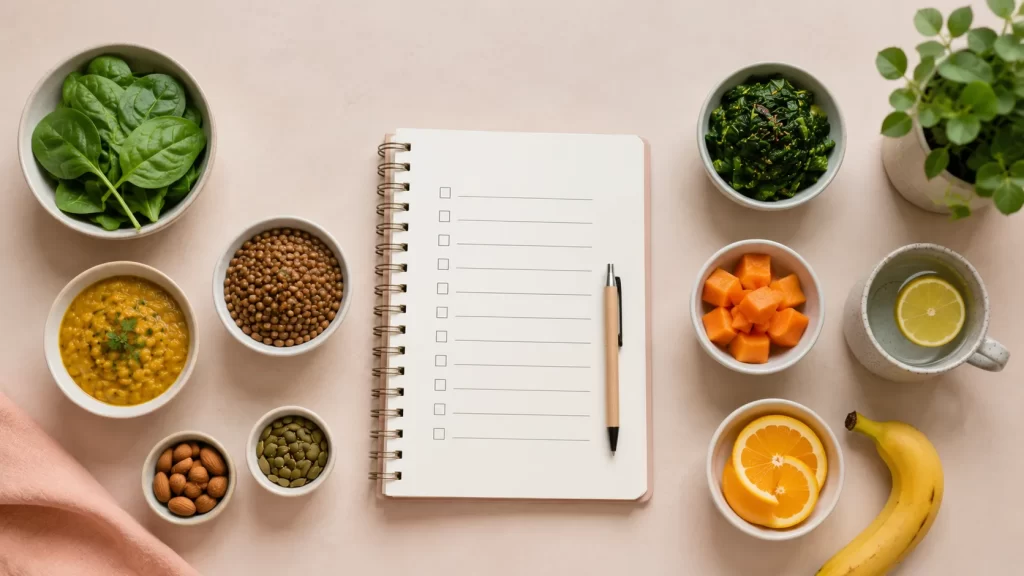
Folic acid rich foods India for pregnancy include moong dal, rajma, spinach (palak), methi, beetroot, and fortified atta – all of which support neural tube development in the first trimester. Women trying to conceive need roughly 400-600 micrograms of folate daily, a target that a well-planned Indian diet can meet through legumes, leafy greens, and select fruits. Getting this right before conception, not just after a positive test, is what actually moves the needle for a healthy pregnancy.
If you’re mapping out your how to conceive naturally journey, folate is one of the few nutrients doctors agree on almost universally, and Indian kitchens are better stocked for it than most people realize.
Why Folic Acid Matters Before You Even Conceive
Folate (the natural form) and folic acid (the synthetic, more bioavailable form) work at the cellular level to support DNA synthesis and cell division. This matters most in the earliest weeks of pregnancy, often before a woman even knows she has conceived.
Consequently, doctors recommend building folate stores before conception rather than after. The neural tube – which becomes the baby’s brain and spinal cord – forms within the first 28 days of pregnancy. By the time a missed period confirms pregnancy, this critical window may already be closing.
- Reduces the risk of neural tube defects such as spina bifida
- Supports healthy placental development
- Aids red blood cell formation, lowering anemia risk
- Works alongside vitamin B12 to support ovulation and egg quality
For a broader nutritional framework, our complete fertility diet meal plan guide lays out how folate fits alongside protein, iron, and healthy fats in a preconception diet.
How Much Folic Acid Do You Need Daily?
The Indian Council of Medical Research (ICMR) and most global health bodies recommend the following intake ranges:
| Life Stage | Recommended Daily Folate/Folic Acid |
|---|---|
| Women trying to conceive | 400-600 mcg |
| First trimester of pregnancy | 500-600 mcg |
| Second & third trimester | 600 mcg |
| Breastfeeding | 500 mcg |
Doctors generally recommend starting supplementation at least one to three months before actively trying to conceive, since dietary folate alone can be harder to track consistently. That said, food-based folate should still form the backbone of your intake, since whole foods bring along fiber, iron, and antioxidants that a tablet cannot replicate.
Top Folic Acid Rich Foods in India for Pregnancy Planning
Here’s where Indian cuisine genuinely works in your favor. Many everyday staples are naturally high in folate, so you don’t need to overhaul your diet – just prioritize what’s already on your plate.
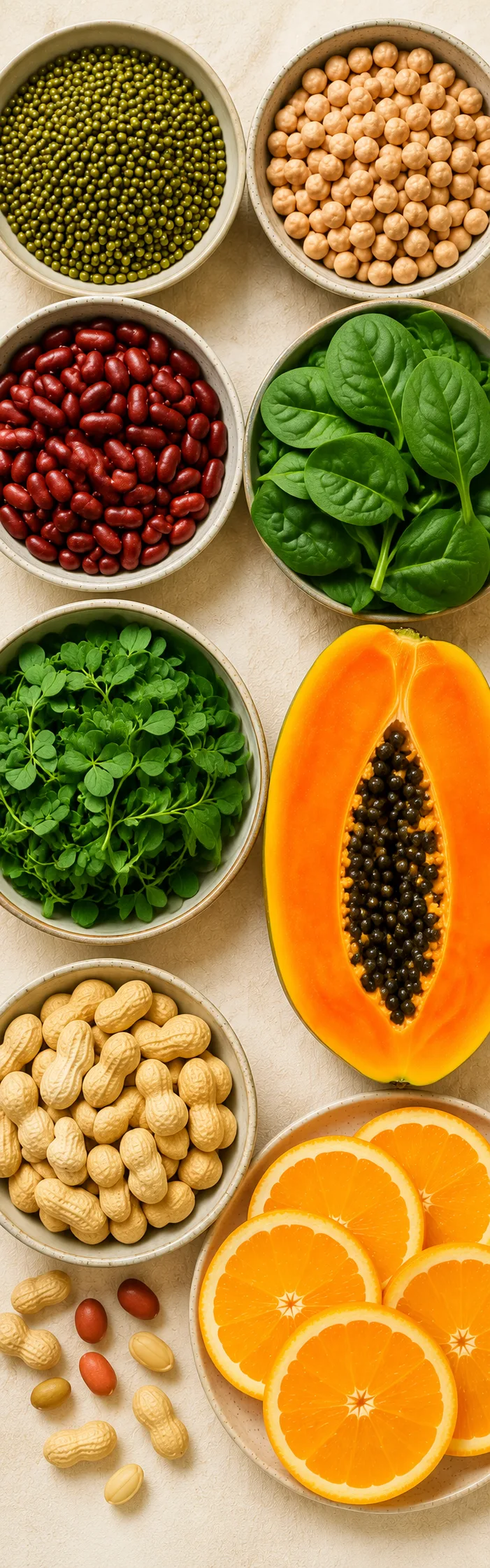
1. Dals and Legumes
Pulses are arguably the single most accessible folic acid rich food in an Indian kitchen. A cup of cooked moong dal, masoor dal, or rajma delivers a substantial folate boost, plus plant protein and iron.
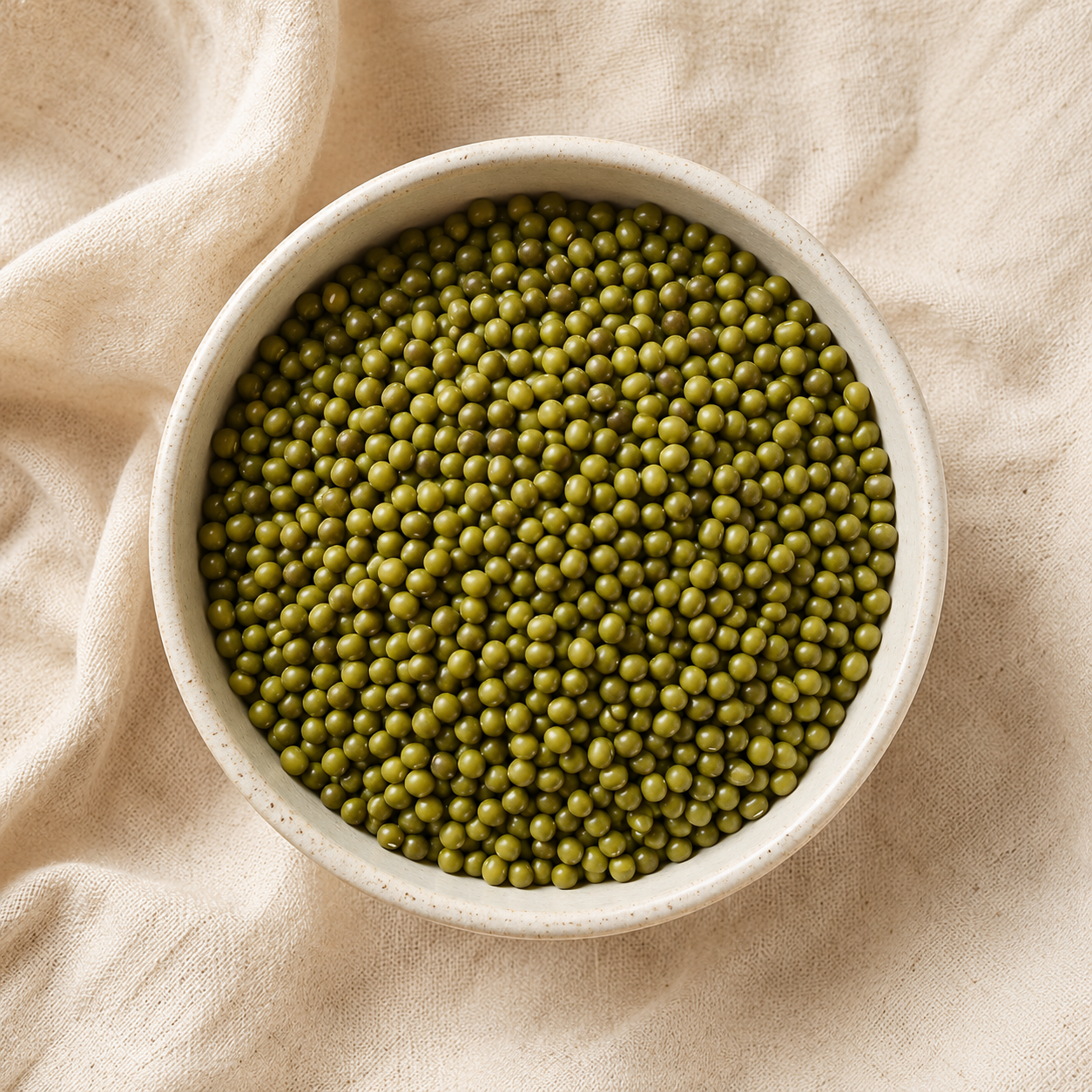
- Moong dal (split green gram): ~80 mcg folate per cooked cup
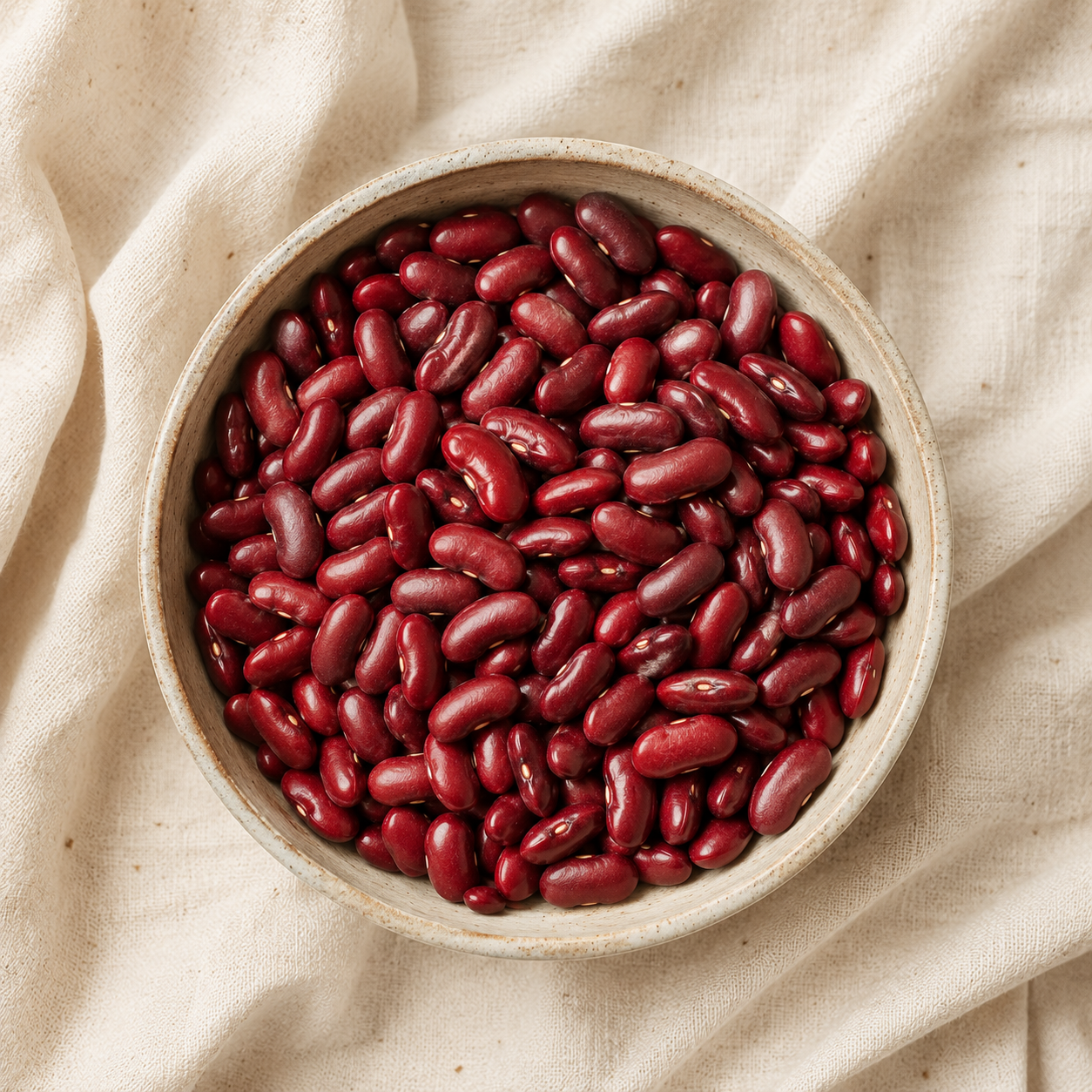
- Rajma (kidney beans): ~130 mcg folate per cooked cup
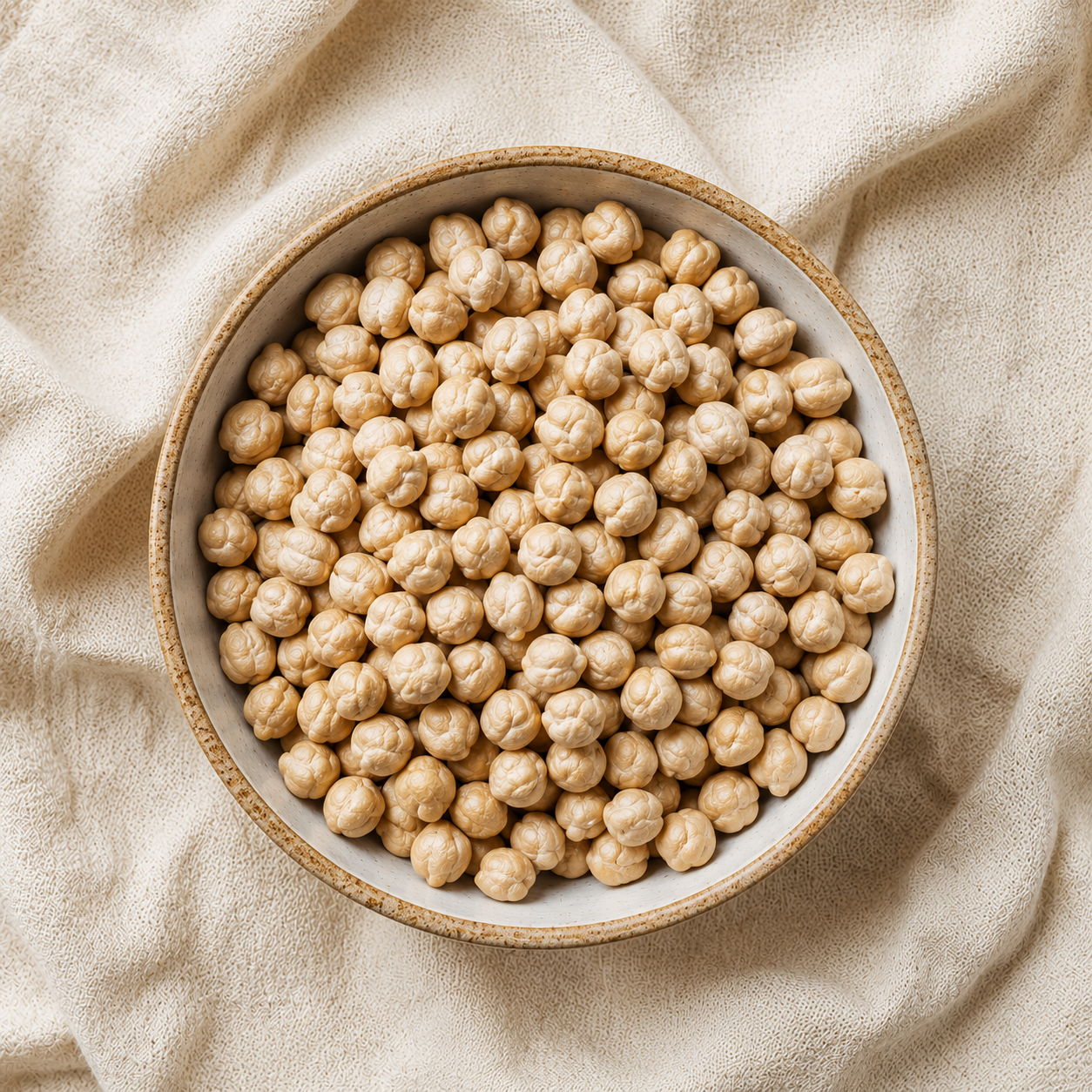
- Chana (chickpeas): ~280 mcg folate per cooked cup
- Masoor dal (red lentils): ~180 mcg folate per cooked cup
2. Saag and Leafy Greens
Green leafy vegetables owe their name to folate itself – the word “folate” derives from the Latin folium, meaning leaf. Palak (spinach), methi (fenugreek leaves), sarson (mustard greens), and bathua are folate powerhouses.
- Palak (spinach): ~260 mcg folate per cooked cup
- Methi leaves: ~90 mcg folate per cooked cup
- Sarson ka saag: ~100 mcg folate per cooked cup
A word of caution: overcooking leafy greens destroys a significant portion of their folate content, since folate is water-soluble and heat-sensitive. Steaming or light sautéing preserves more of it than prolonged boiling.
3. Fruits
- Orange: ~50 mcg per medium fruit
- Papaya: ~115 mcg per cup, ripe
- Banana: ~24 mcg per medium fruit
- Guava: ~49 mcg per cup
4. Seeds, Nuts, and Fortified Staples
- Sunflower seeds: ~80 mcg per quarter cup
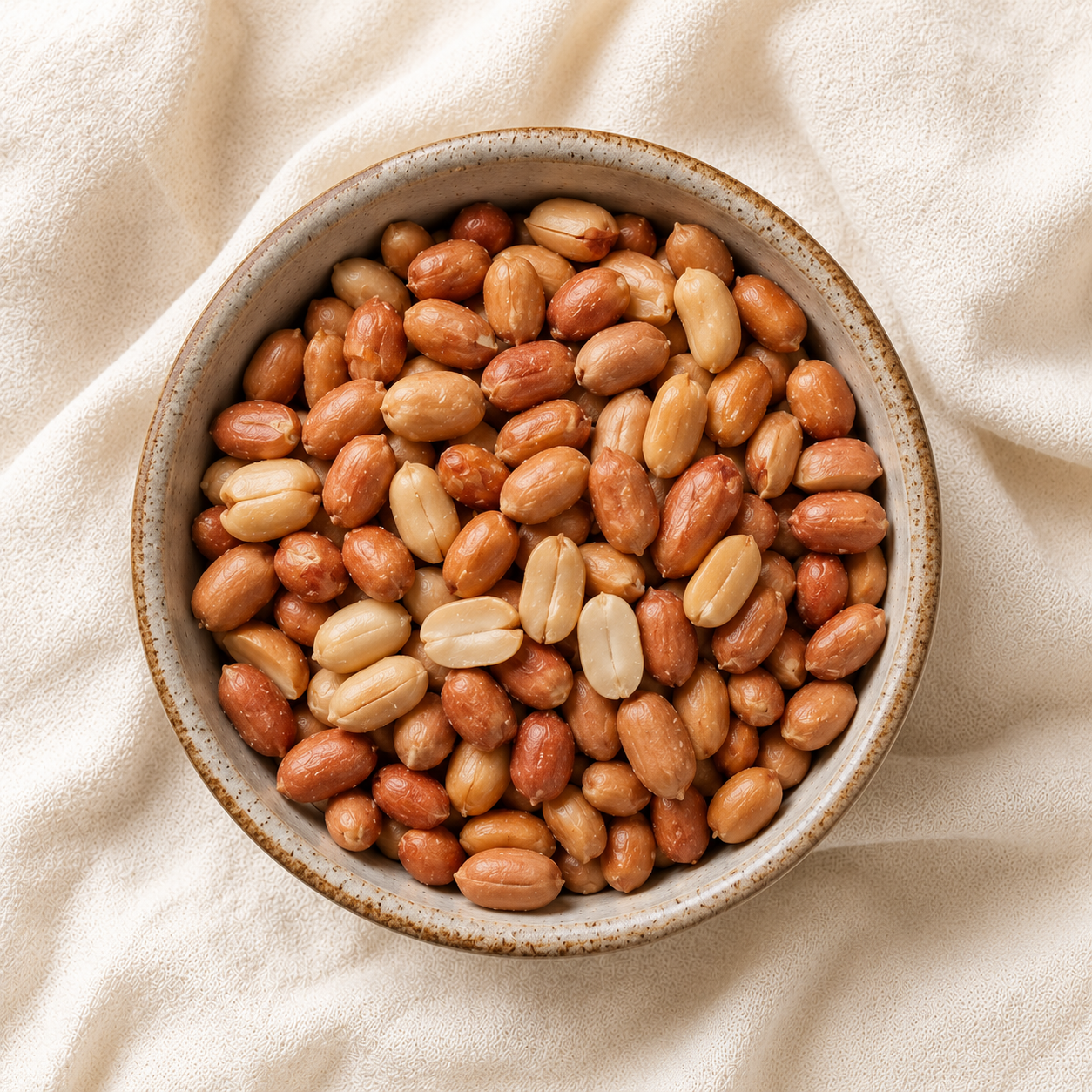
- Peanuts: ~90 mcg per quarter cup, roasted
- Fortified atta/flour: Varies by brand; check labels, as several Indian brands now fortify with folic acid
- Beetroot: ~65 mcg per half cup, cooked
A Sample Folate-Focused Indian Thali
Rather than counting micrograms at every meal, it helps to think in terms of a balanced thali. Below is one practical example that stacks multiple folic acid rich foods into a single day.
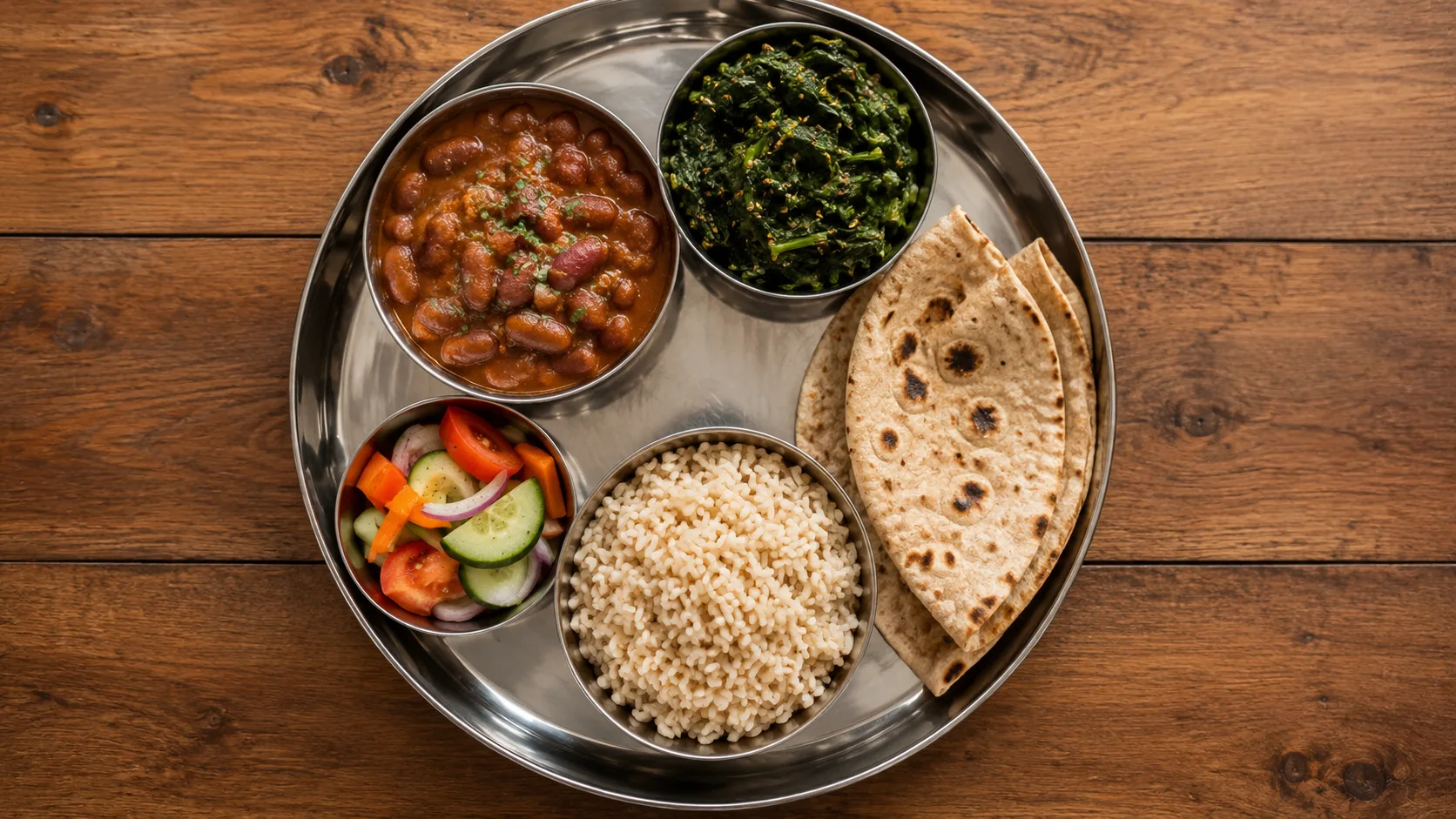
| Meal | Dish | Approx. Folate Contribution |
|---|---|---|
| Breakfast | Moong dal chilla + papaya slices | ~150 mcg |
| Lunch | Rajma-chawal with a side of palak sabzi | ~350 mcg |
| Evening snack | Roasted peanuts + orange | ~140 mcg |
| Dinner | Methi paratha (fortified atta) + chana salad | ~280 mcg |
Add these up, and a single day’s meals can comfortably clear the 400-600 mcg target without any supplement at all – though most doctors still recommend one as a safety net, particularly given how variable home-cooking portions can be.
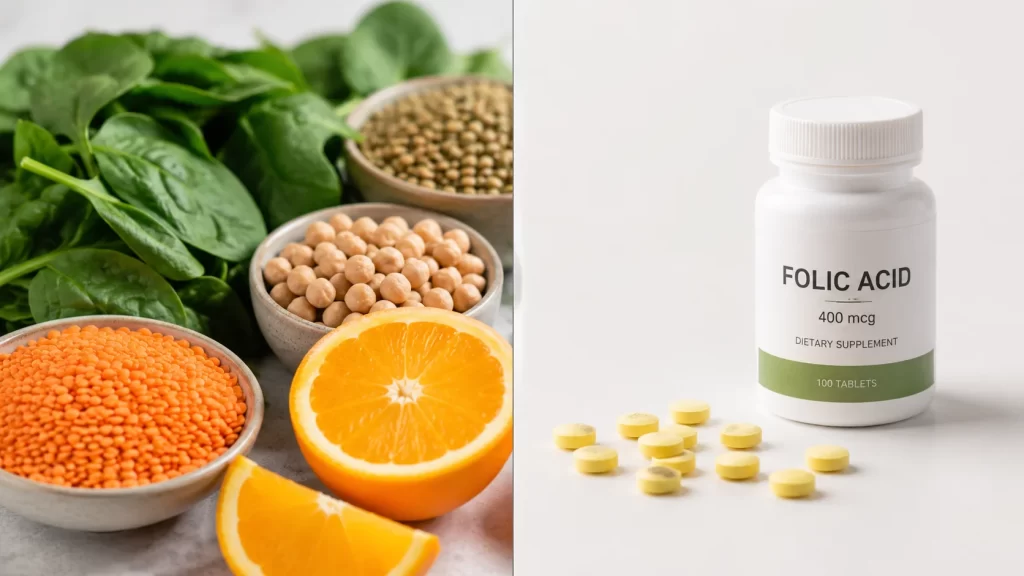
Comparison: Natural Folate vs. Synthetic Folic Acid
| Factor | Natural Folate (Food) | Synthetic Folic Acid (Supplement) |
|---|---|---|
| Bioavailability | ~50% absorption rate | Nearly 100% when taken on an empty stomach |
| Additional nutrients | Comes with fiber, iron, antioxidants | Isolated nutrient only |
| Risk of excess intake | Very low; hard to overconsume via food | Possible with unsupervised high-dose use |
| Consistency | Depends on portion size and cooking method | Fixed, measurable dose |
In practice, most fertility specialists suggest combining both: a folate-rich diet as the daily foundation, plus a prescribed supplement for consistency, especially in the months immediately before conception. According to the National Institute of Child Health and Human Development, this combined approach offers the most reliable protection against neural tube defects.
Common Mistakes Women Make with Folic Acid Intake
- Starting too late: Waiting until a positive pregnancy test misses the earliest, most critical window for neural tube formation.
- Overcooking vegetables: Boiling saag or palak for too long strips away much of the water-soluble folate.
- Relying only on supplements: Skipping dietary sources means missing out on complementary nutrients like iron and fiber.
- Ignoring vitamin B12: Folate and B12 work together; a B12 deficiency can mask or worsen folate-related issues, which is especially relevant for vegetarian diets.
- Assuming all dals are equal: Folate content varies noticeably between chana, moong, and masoor, so variety matters more than sticking to one favorite.
Expert Tips for Maximizing Folate Absorption
- Pair leafy greens with a vitamin C source (lemon, tomato, amla) to enhance iron and folate absorption together.
- Steam or sauté vegetables briefly instead of deep-boiling them.
- Soak and sprout dals before cooking; sprouting can modestly increase folate content.
- Store fresh greens properly, since folate degrades faster in produce left too long at room temperature.
- Get a baseline blood folate/B12 test before conception if you have a history of anemia or a restrictive diet.
Step-by-Step: Building Your Weekly Folate Plan
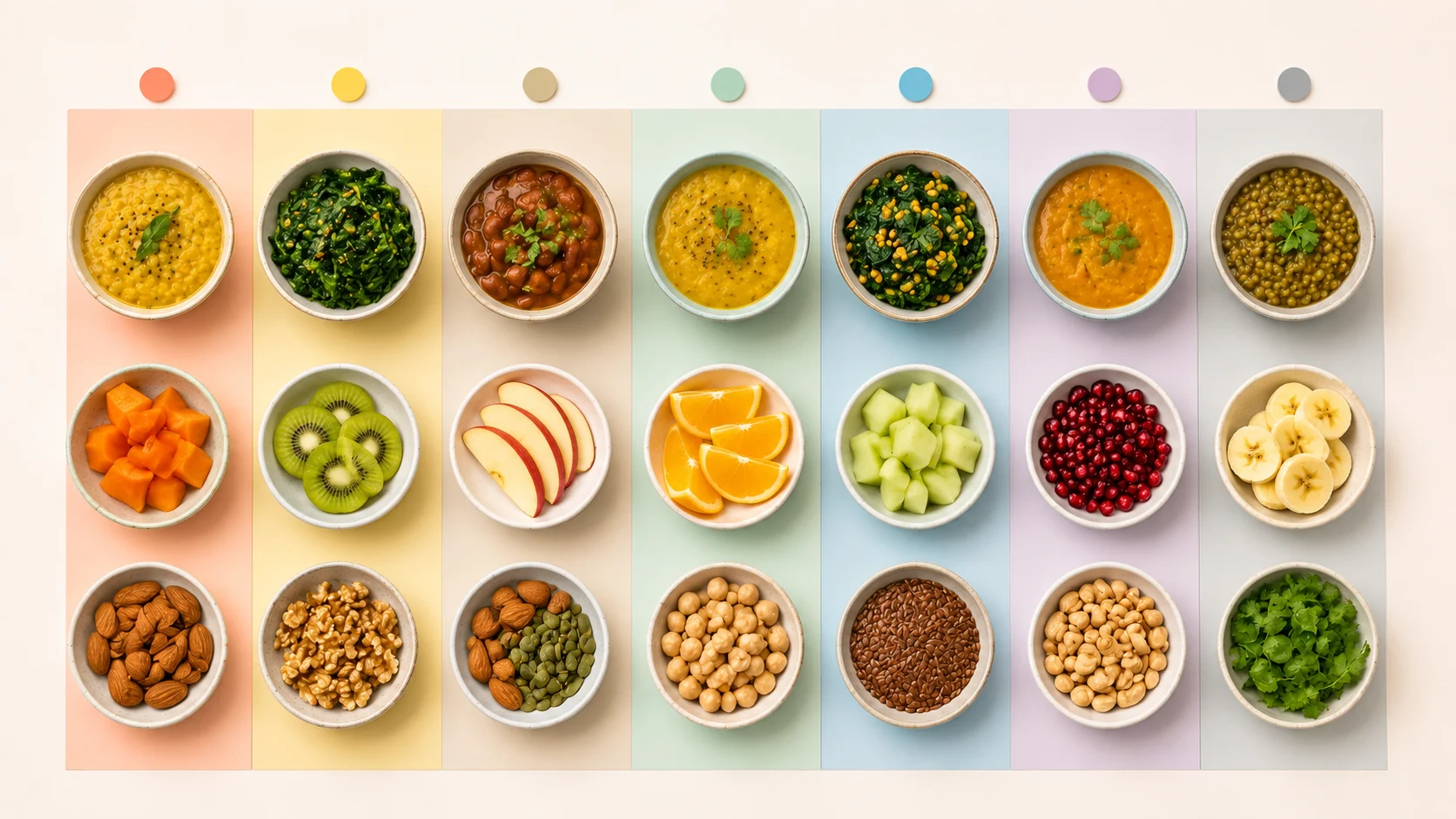
- Audit your current intake: Track one regular week of meals and note how many folate-rich items already appear.
- Add one leafy green daily: Rotate between palak, methi, and sarson so meals don’t feel repetitive.
- Include a dal at both lunch and dinner: Alternate between rajma, chana, and moong for variety.
- Snack on fruit instead of packaged snacks: Papaya, orange, and guava are easy folate additions.
- Consult your gynecologist: Discuss whether a folic acid supplement should complement your diet, and at what dosage.
Understanding what happens during ovulation and conception can also help you time when to intensify these dietary habits, since folate stores ideally need a few weeks to build up before fertilization occurs.
Timing Your Diet with Your Fertile Window
Nutrition and timing go hand in hand. Knowing the best time to have intercourse to conceive means you can align your peak folate intake with your most fertile days, rather than treating diet and timing as separate strategies.
For additional evidence-based guidance on preconception nutrition, the World Health Organization’s folic acid fact sheet is a useful reference, as is the CDC’s folic acid guidance for women planning a pregnancy.
Frequently Asked Questions
What are the best folic acid rich foods in India for pregnancy planning?
The top choices include moong dal, rajma, chana, spinach, methi leaves, papaya, oranges, peanuts, and fortified atta. Together, these cover most of the daily 400-600 mcg target through regular meals.
Can I get enough folic acid from food alone, without supplements?
It’s possible with careful planning, but most doctors still recommend a supplement as a buffer, since portion sizes and cooking methods can cause natural variation in actual folate intake.
How soon before conception should I start increasing folic acid intake?
Ideally, one to three months before you start trying to conceive, since neural tube formation begins within the first month of pregnancy, often before a woman knows she is pregnant.
Does cooking destroy folic acid in vegetables?
Yes, folate is water-soluble and sensitive to heat, so prolonged boiling can significantly reduce its content. Steaming or light sautéing preserves more of it.
Are dals a reliable source of folic acid for Indian women?
Yes. Chana, masoor, and rajma are among the highest plant-based folate sources easily available in Indian households, making dal-based meals an efficient way to meet daily requirements.
Bringing It All Together
Building a diet around folic acid rich foods India for pregnancy doesn’t require exotic ingredients or expensive supplements alone – it largely means being intentional about dal, saag, and fruit that most Indian households already cook regularly. What changes is consistency: eating these foods deliberately, in the weeks and months before conception, rather than only after a pregnancy is confirmed.
If you’re actively working on how to get pregnant and want a structured, personalized approach to fertility nutrition and timing, explore Gntro’s fertility programs to build a plan tailored to your cycle and diet.