
Shatavari benefits for female fertility in India are rooted in a dual body of evidence: centuries of Ayurvedic use as a reproductive tonic, and a smaller but growing body of modern pharmacological research examining its phytoestrogenic and adaptogenic properties. Ayurveda classifies shatavari (Asparagus racemosus) as a rasayana, or rejuvenating herb, specifically indicated for female reproductive health. Modern science has not yet confirmed all traditional claims through large-scale human trials, which means informed, practitioner-guided use matters more than following generic dosage advice found online.

For Indian women navigating fertility questions, few herbs come up as often as shatavari. It appears in Ayurvedic formulations, wellness blogs, and family recommendations alike, often described as a near-universal fix for reproductive health. The reality, as with most traditional remedies, sits somewhere between ancient wisdom and evolving scientific validation.
This guide breaks down exactly what is known – and what remains unproven – about shatavari benefits for female fertility in India, so you can make an informed decision alongside your doctor or Ayurvedic practitioner rather than relying on conflicting information online. If you’re building a broader natural conception plan, it helps to first understand how to get pregnant naturally using an evidence-informed, whole-body approach rather than a single herb in isolation.
What is Shatavari? A Quick Definition
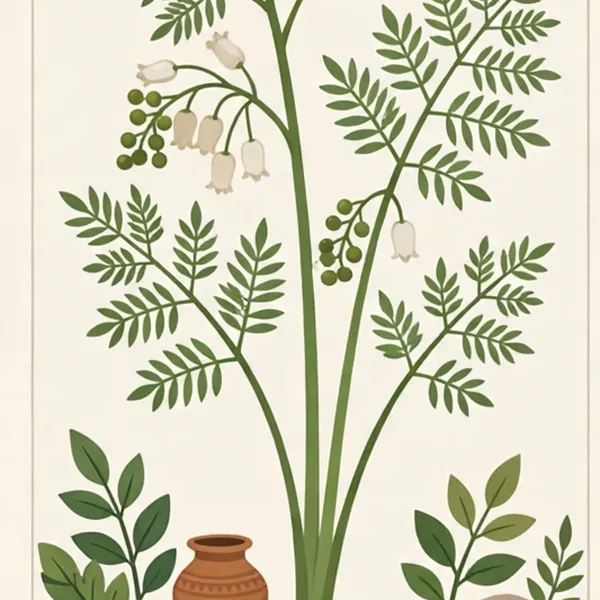
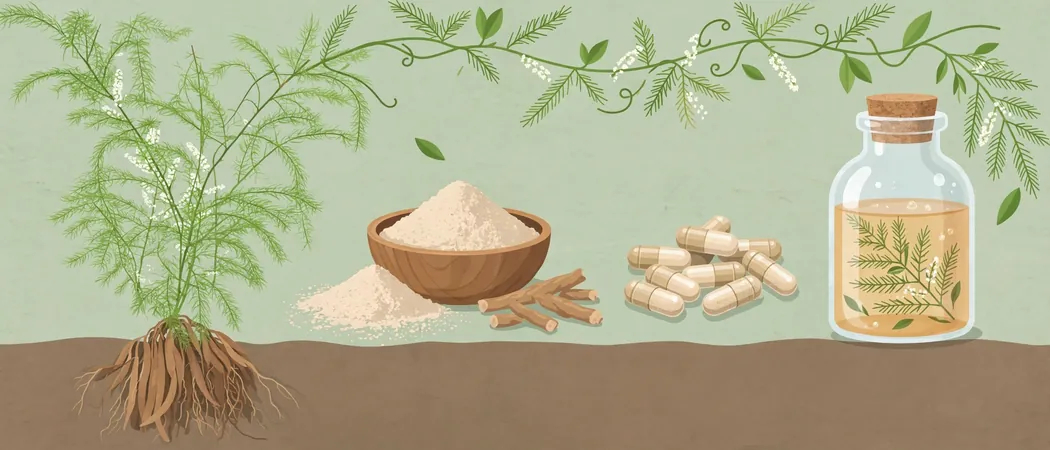
Shatavari, botanically known as Asparagus racemosus, is a climbing plant native to India and parts of Asia, with a root system traditionally processed into powders, capsules, and decoctions. The name itself translates roughly to “she who possesses a hundred husbands,” a reference to its long-standing reputation for supporting female vitality and reproductive strength in classical Ayurvedic texts.
In Ayurvedic pharmacology, shatavari is classified as:
- A rasayana (rejuvenative tonic), believed to nourish reproductive tissue.
- A balya (strength-promoting) herb, traditionally used to support overall vitality.
- A herb with cooling, soothing qualities, often recommended for women experiencing hormonal fluctuation.
The Ayurvedic View of Shatavari for Female Fertility
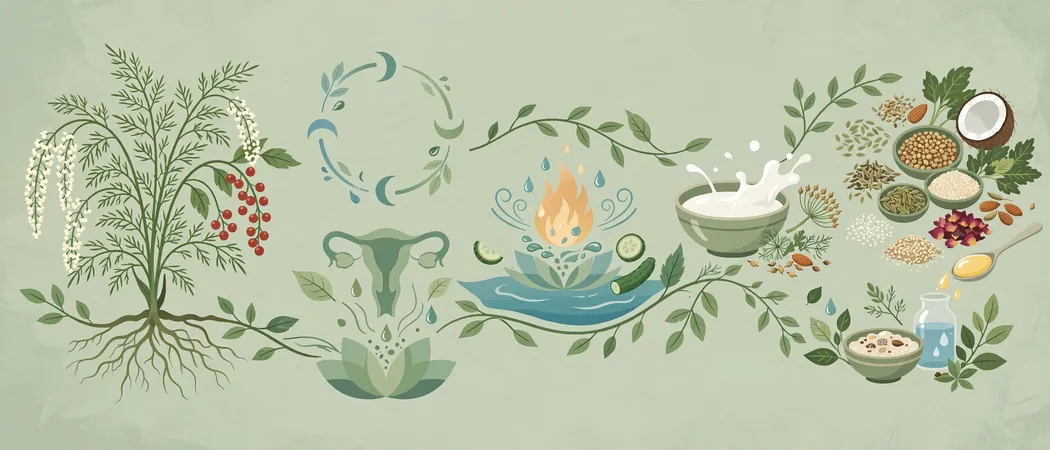
Classical Ayurvedic texts describe shatavari as one of the primary herbs for supporting the female reproductive system, known in Ayurveda as the artava dhatu. Traditional practitioners have historically recommended it for:
- Supporting healthy menstrual cycles.
- Nourishing reproductive tissue in women preparing for conception.
- Balancing what Ayurveda describes as excess pitta (heat) affecting reproductive function.
- Supporting postpartum recovery and lactation, a use that remains common even today.
It’s worth noting that Ayurveda approaches fertility holistically, rarely recommending a single herb in isolation. Shatavari is traditionally combined with dietary changes, lifestyle adjustments, and sometimes other herbs, based on an individual’s specific constitution or dosha.
What Modern Research Says About Shatavari and Fertility
Contemporary research on Asparagus racemosus has explored several mechanisms that could plausibly support the traditional claims, though the evidence base remains considerably smaller than for well-established fertility nutrients like folic acid.
Phytoestrogenic Properties
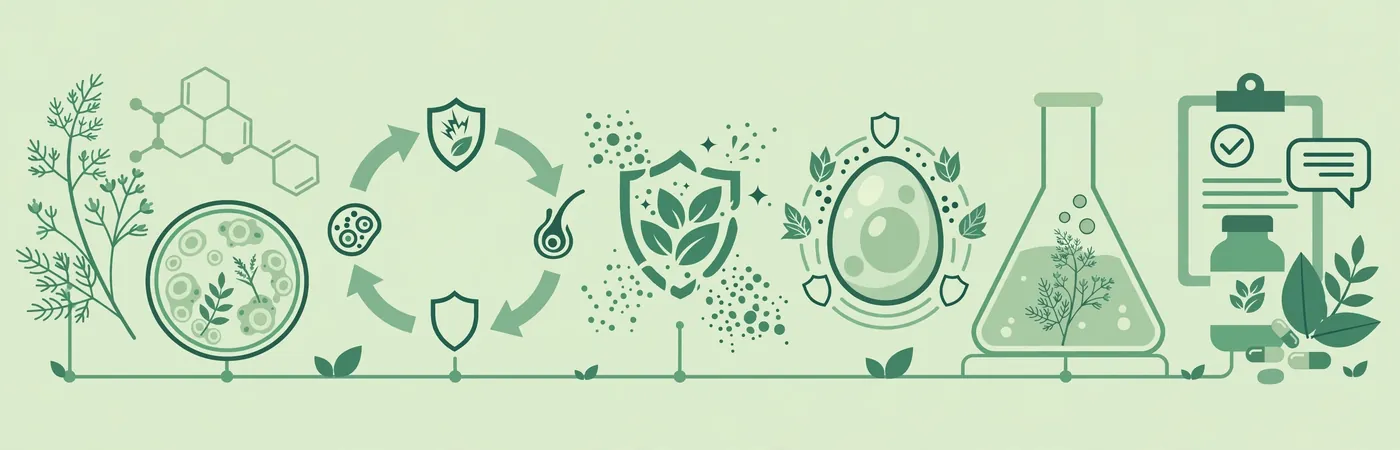
Some laboratory and animal studies have identified compounds in shatavari root, including steroidal saponins, that show mild estrogen-like activity. Researchers have theorized this could relate to its traditional use for menstrual and reproductive support, though direct evidence of a fertility benefit in human clinical trials remains limited.
Adaptogenic and Stress-Modulating Effects
Chronic stress is increasingly recognized as a factor that can disrupt ovulatory cycles. Shatavari is classified as an adaptogen in traditional use, and some preliminary research has examined its potential role in stress modulation, which could indirectly support reproductive hormone balance – though this connection is still considered early-stage rather than conclusively proven.
Antioxidant Activity
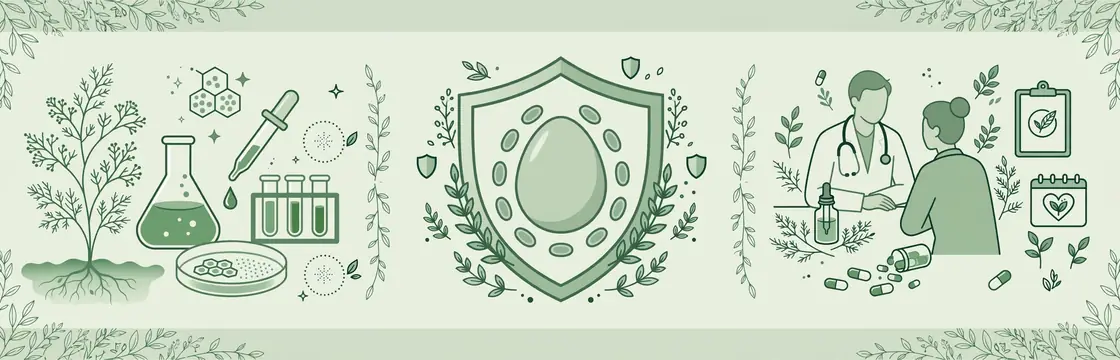
Laboratory studies have found antioxidant compounds in shatavari extract. Oxidative stress is a recognized factor in egg quality and reproductive aging, which has led some researchers to explore antioxidant-rich herbs as a supportive, rather than curative, part of fertility protocols.
Organizations such as the National Center for Complementary and Integrative Health emphasize that herbal supplements, including botanicals like shatavari, should be discussed with a healthcare provider before use, particularly for anyone actively trying to conceive or managing an existing reproductive health condition.
Ayurvedic Claims vs Current Scientific Evidence
| Traditional Ayurvedic Claim | Current Scientific Status |
|---|---|
| Supports healthy menstrual regularity | Some supporting mechanistic research; limited large-scale human trials |
| Nourishes reproductive tissue | Traditional concept; not directly measurable in modern clinical terms |
| Balances hormones | Early research on phytoestrogenic activity; not conclusively proven in humans |
| Reduces reproductive stress impact | Preliminary adaptogen research; more human studies needed |
| Supports postpartum lactation | Most researched traditional use, with some supportive clinical data |
Who May Consider Shatavari, and Who Should Be Cautious
Shatavari is generally considered well-tolerated in traditional use, but it isn’t automatically appropriate for every woman trying to conceive.
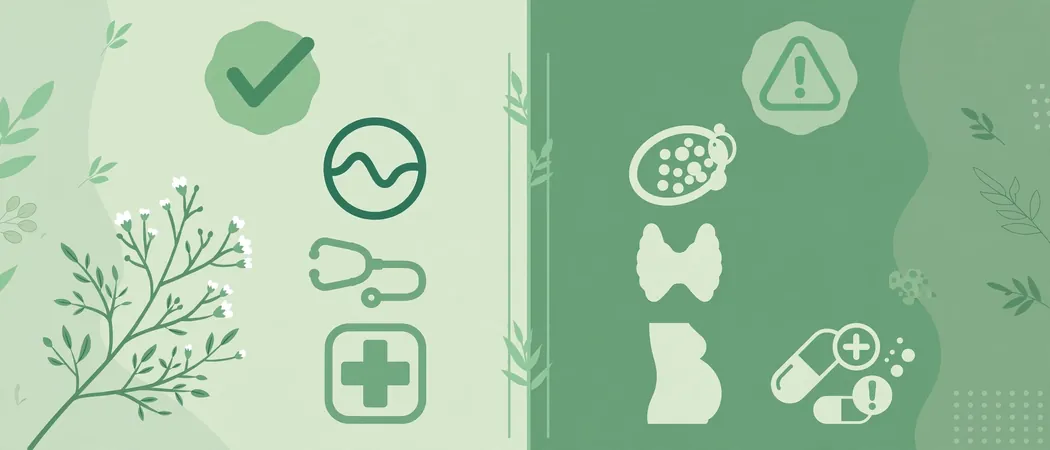
Women who may consider discussing shatavari with a practitioner include those who:
- Experience irregular cycles alongside other Ayurvedic imbalance signs.
- Are looking for practitioner-guided support alongside standard fertility care.
- Have been evaluated by a doctor and shown no underlying hormone-sensitive condition contraindicating its use.
Caution is especially important for women who:
- Have hormone-sensitive conditions, since shatavari’s phytoestrogenic activity may not be appropriate for every hormonal profile.
- Are managing PCOS, where hormonal supplementation should always be practitioner-supervised.
- Have hypothyroidism affecting fertility and ovulation, since thyroid-related hormonal imbalances require coordinated treatment.
- Are currently pregnant, unless specifically advised by a qualified Ayurvedic physician or gynecologist.
- Take prescription medication, particularly hormonal treatments, without first confirming there’s no interaction risk.
How Shatavari Is Traditionally Taken
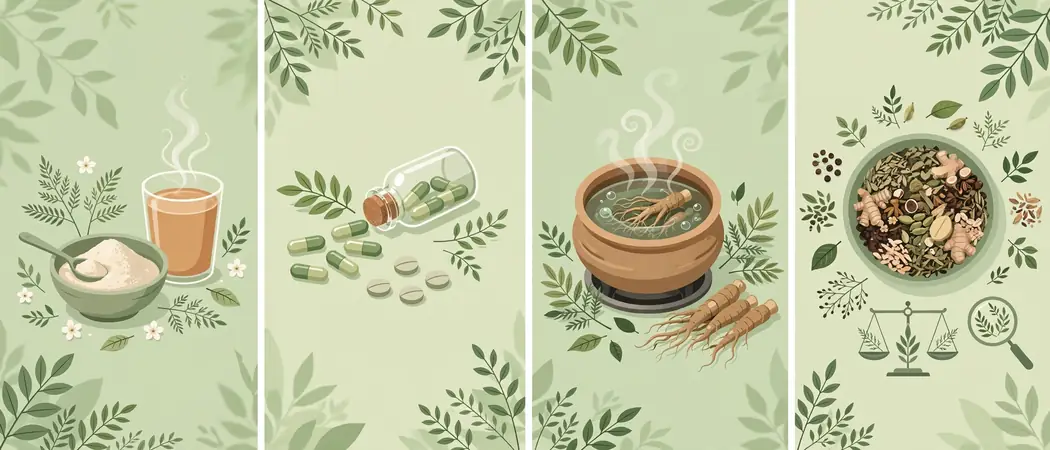
Traditional Ayurvedic practice uses shatavari in several forms, and the right form and amount genuinely depends on individual constitution, which is why generic online dosage charts should never replace a practitioner consultation.
- Powder (churna) form, often mixed with warm milk or water, traditionally taken under practitioner guidance.
- Capsule or tablet form, a more standardized modern option with labeled concentrations.
- Decoction (kashayam) form, prepared by boiling the root, used less commonly today but still practiced in some traditional settings.
- Combination formulations, where shatavari is blended with other herbs based on individual assessment.
Because exact dosing varies by preparation, concentration, and individual health profile, the safest approach is always a consultation with a qualified Ayurvedic practitioner or a gynecologist familiar with integrative approaches, rather than following a fixed number found online.
Common Mistakes Women Make When Using Shatavari for Fertility
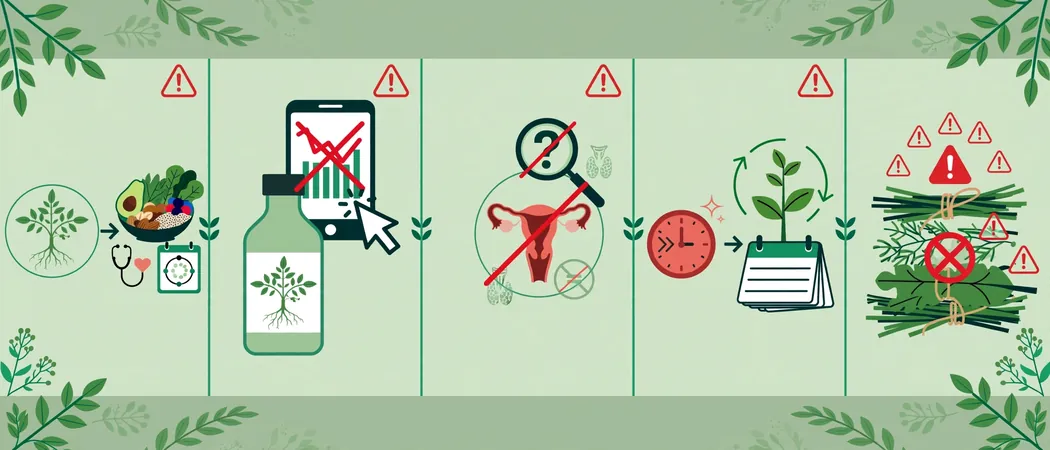
- Treating it as a standalone fertility solution. Shatavari works best as part of a broader plan that includes nutrition, cycle tracking, and medical evaluation, not as a replacement for any of them.
- Self-prescribing based on online dosage charts. Individual constitution and health history should guide dosing, not generic recommendations.
- Ignoring underlying conditions. Women with unexplained infertility or diagnosed reproductive conditions should get a full medical evaluation before adding any herbal supplement.
- Expecting immediate results. Ayurvedic tonics are traditionally used over sustained periods, not as a quick fix within a single cycle.
- Combining multiple hormone-active herbs without guidance. Stacking several adaptogenic or phytoestrogenic herbs without practitioner oversight increases the risk of unintended hormonal effects.
Expert Tips for Safe, Informed Use
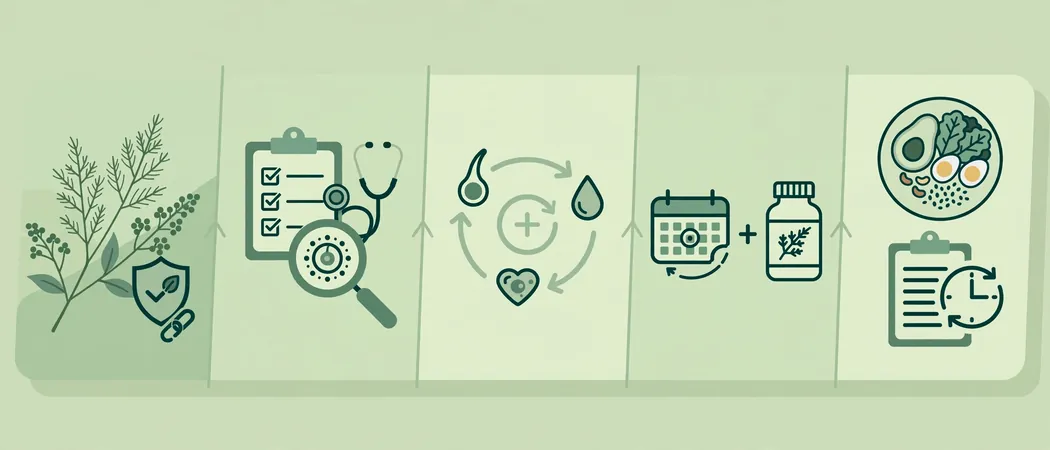
- Start with a full fertility evaluation. Understanding your specific fertility picture, including ovulation patterns, makes any supplement decision more informed; reviewing what happens step by step during ovulation and conception is a useful starting point.
- Choose standardized, quality-tested products. Herbal supplement quality varies significantly between brands; look for products with transparent sourcing and testing.
- Track your cycle alongside any supplement use. This helps you and your practitioner assess whether any changes are meaningful.
- Pair herbal support with foundational nutrition. A well-planned fertility diet and meal plan supports reproductive health regardless of any herbal addition.
- Reassess with your practitioner every few months. Ayurvedic treatment plans are typically adjusted over time based on how the body responds, not followed indefinitely without review.
Shatavari Compared to Other Commonly Discussed Fertility Herbs
| Herb | Traditional Use Focus | Research Depth | Common Caution |
|---|---|---|---|
| Shatavari | Female reproductive tonic, hormonal balance | Moderate, mostly preclinical | Avoid with hormone-sensitive conditions without guidance |
| Ashwagandha | Stress adaptogen, general vitality | Growing, some human trials | Caution with thyroid medication and pregnancy |
| Vidari (Pueraria tuberosa) | Reproductive tissue nourishment | Limited, mostly traditional | Limited modern safety data |
| Folic acid (for comparison) | Neural tube defect prevention, conception support | Extensive, well-established | Considered a standard, evidence-backed supplement |
Unlike herbal options, folic acid intake through Indian food sources has an extensive, well-established evidence base and is recommended by mainstream medical guidelines for anyone trying to conceive, which is a useful benchmark when evaluating how much confidence to place in less-researched herbal options.
FAQ
What are the main shatavari benefits for female fertility in India?
Traditional Ayurvedic use credits shatavari with supporting menstrual regularity, reproductive tissue health, and hormonal balance, while modern research is still exploring the specific mechanisms behind these traditional claims.
Is shatavari scientifically proven to improve fertility?
Not conclusively; current research shows promising mechanisms like phytoestrogenic and antioxidant activity, but large-scale human clinical trials confirming a direct fertility benefit are still limited.
Can shatavari be taken alongside fertility medications?
This should only be decided in consultation with your doctor, since combining herbal supplements with fertility medications without medical supervision carries interaction risks.
Is shatavari safe for women with PCOS?
Women with PCOS should consult a qualified practitioner before using shatavari, since hormonal supplementation needs to be coordinated with existing PCOS management rather than added independently.
How long does it typically take to notice effects from shatavari?
Ayurvedic tradition generally recommends sustained use over several months rather than expecting results within a single menstrual cycle, though individual practitioner guidance should determine the appropriate timeline.
Conclusion
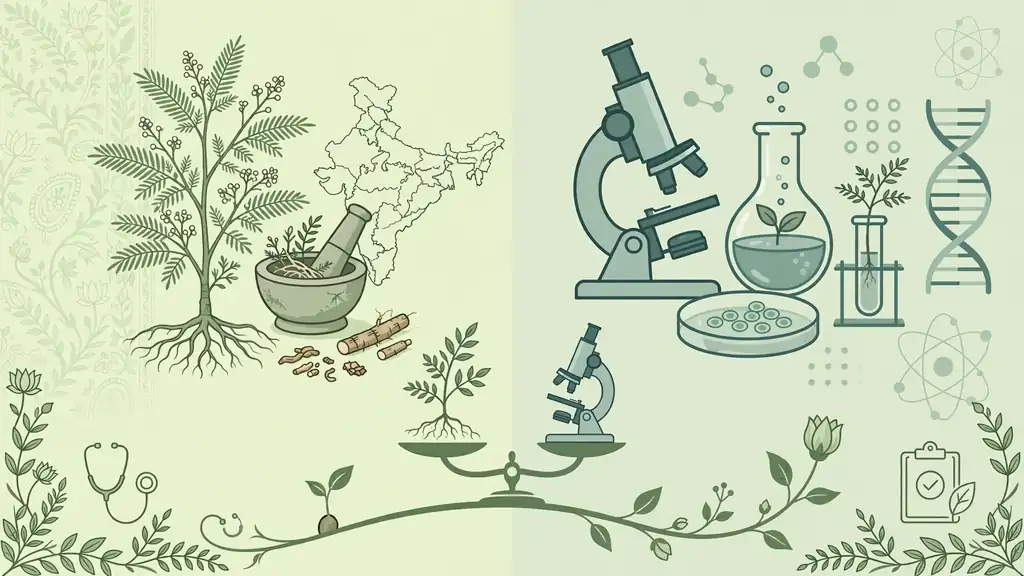
Shatavari benefits for female fertility in India sit at a genuinely interesting intersection of centuries-old Ayurvedic practice and still-developing modern research. The traditional reputation is strong, the mechanistic research is promising, but the human clinical evidence isn’t yet conclusive enough to treat shatavari as a guaranteed fertility solution. Used thoughtfully, alongside proper medical evaluation and practitioner guidance, it can be one part of a broader, informed approach to reproductive health.
If you’re building your natural conception plan and want guidance that goes beyond a single herb, start your personalized path to conceiving naturally with resources built specifically for Indian women’s fertility journeys.