
Hypothyroidism affect fertility in India by suppressing the hypothalamic-pituitary-ovarian (HPO) axis, which delays or completely halts ovulation. An underactive thyroid raises prolactin and disrupts the luteinising hormone (LH) surge that triggers egg release, leaving even women with regular periods unable to conceive. Left undiagnosed, it is one of the most reversible yet overlooked causes of infertility among Indian women today.
If you have been trying to conceive for months without success, and your periods feel “off” but not obviously abnormal, your thyroid gland could be the missing piece. This is not a rare or niche condition – it is startlingly common, and for many Indian women, it hides in plain sight behind fatigue, weight gain, and hair fall that get dismissed as “just stress” or “just diet.” Understanding the science behind how your thyroid governs conception is often the first real step toward figuring out how to get pregnant when nothing else seems to explain the delay.
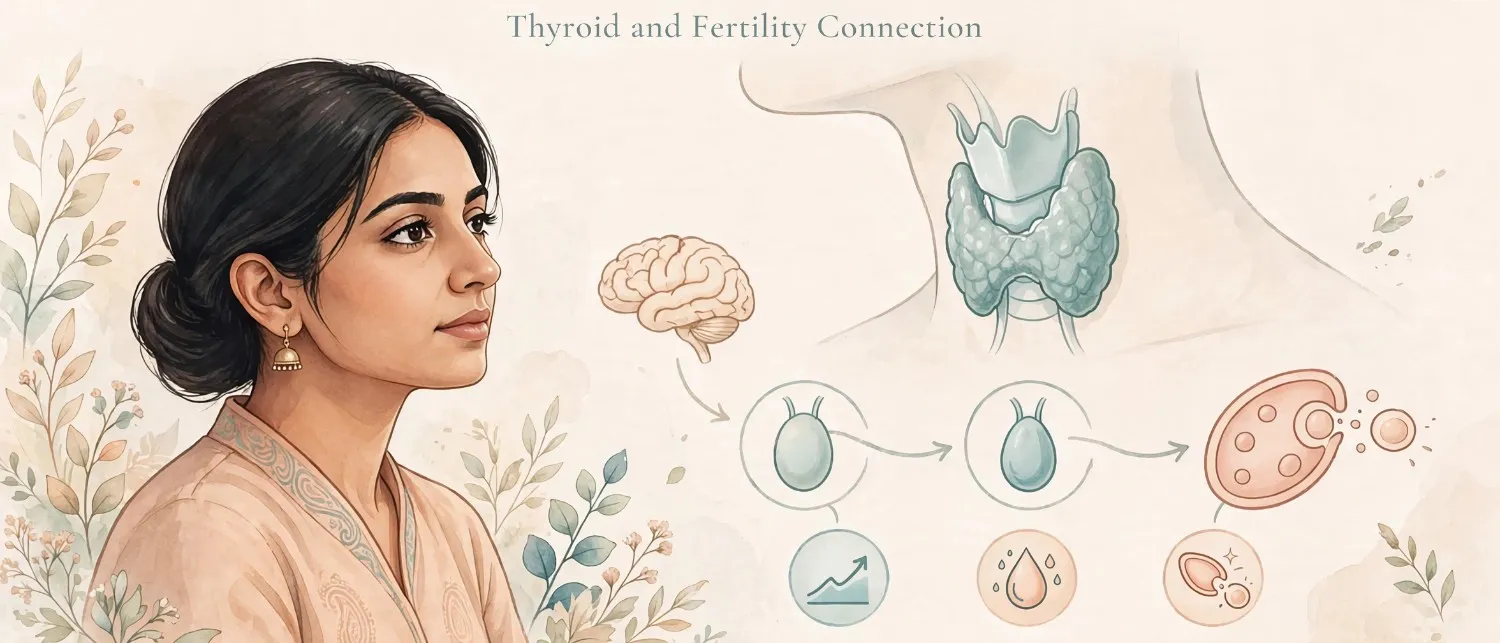
Before we go further, it helps to understand where this fits into the bigger picture of reproductive health. Thyroid dysfunction rarely acts alone – it often overlaps with other conditions like PCOS or shows up alongside irregular cycles that mimic other hormonal disorders. That is exactly why an accurate diagnosis matters more than guesswork.
What is Hypothyroidism, and Why Are Indian Women So Vulnerable to It?
Hypothyroidism occurs when the thyroid gland, a small butterfly-shaped organ at the base of your neck, fails to produce enough thyroid hormones – thyroxine (T4) and triiodothyronine (T3). These hormones regulate metabolism, but they also play a direct, non-negotiable role in reproductive function.
Quick definition
Hypothyroidism is a condition in which the thyroid gland is underactive, producing insufficient T3 and T4 hormones, which in turn disrupts metabolism, ovulation, and the ability to sustain a pregnancy.
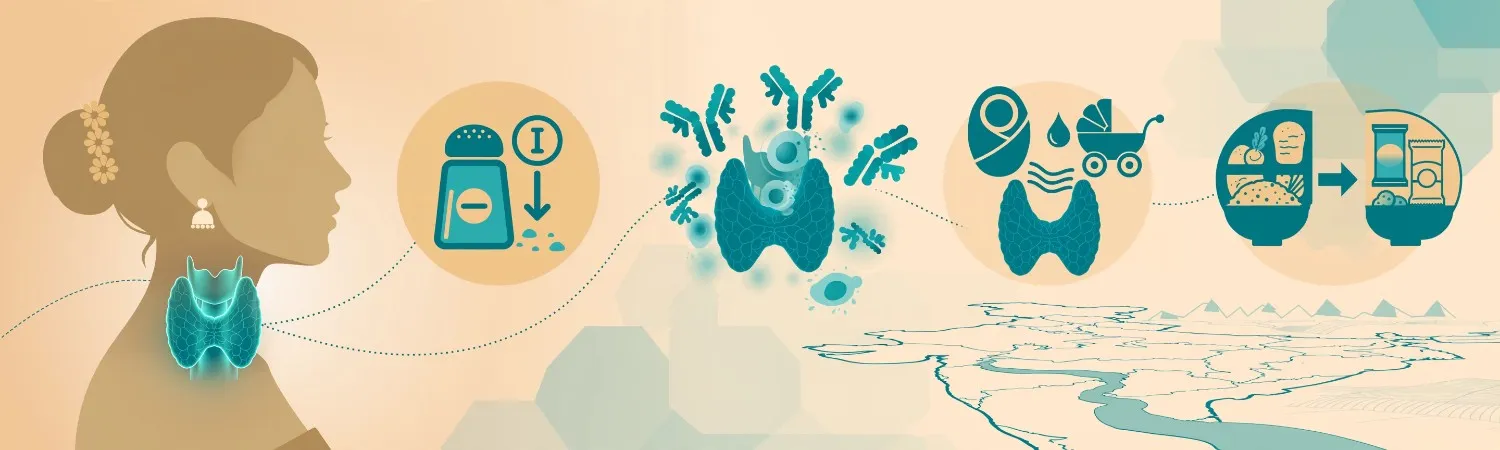
India carries a disproportionately high burden of thyroid disorders compared to global averages.
Several overlapping factors explain why:
Iodine deficiency in specific regions
Despite mandatory iodization of salt, pockets of India, particularly sub-Himalayan belts and parts of the Gangetic plain, still report suboptimal iodine intake.
Autoimmune thyroiditis (Hashimoto’s disease)
Increasingly diagnosed among urban Indian women, often linked to genetic predisposition and other autoimmune conditions.
Delayed diagnosis
Thyroid screening is not routinely included in general health check-ups for women under 30, so subclinical cases go unnoticed for years.
Postpartum thyroiditis
A significant number of Indian women develop thyroid dysfunction within a year of childbirth, which can complicate a second pregnancy attempt.
Dietary and lifestyle shifts
Processed food consumption, goitrogenic vegetables eaten in excess without adequate iodine, and rising stress levels all compound thyroid strain.
Various Indian epidemiological studies have estimated that roughly one in ten Indian women of reproductive age lives with some degree of thyroid dysfunction, and a large share remain undiagnosed until they start facing conception difficulties.
The Thyroid–Ovulation Connection: How Hypothyroidism Disrupts Your Cycle
To understand how hypothyroidism affects fertility in India’s women specifically, you need to understand the hormonal chain reaction it triggers.
Step 1: TSH Rises, and So Does Prolactin
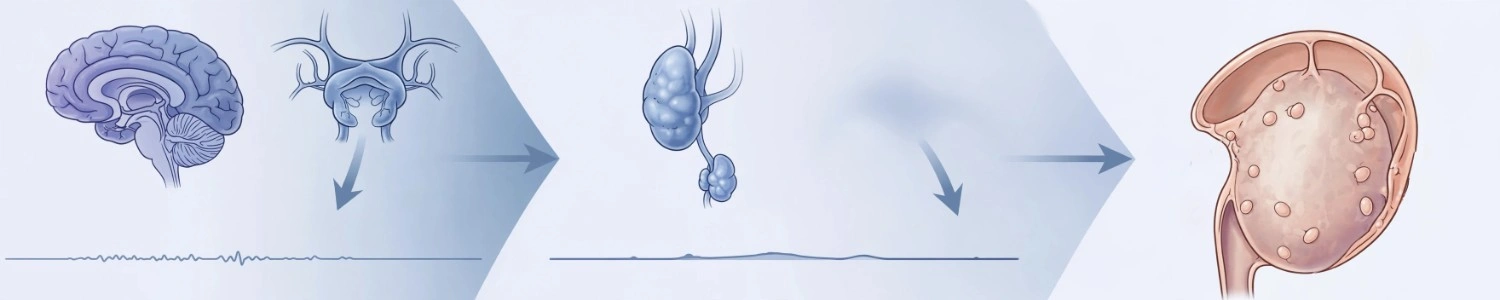
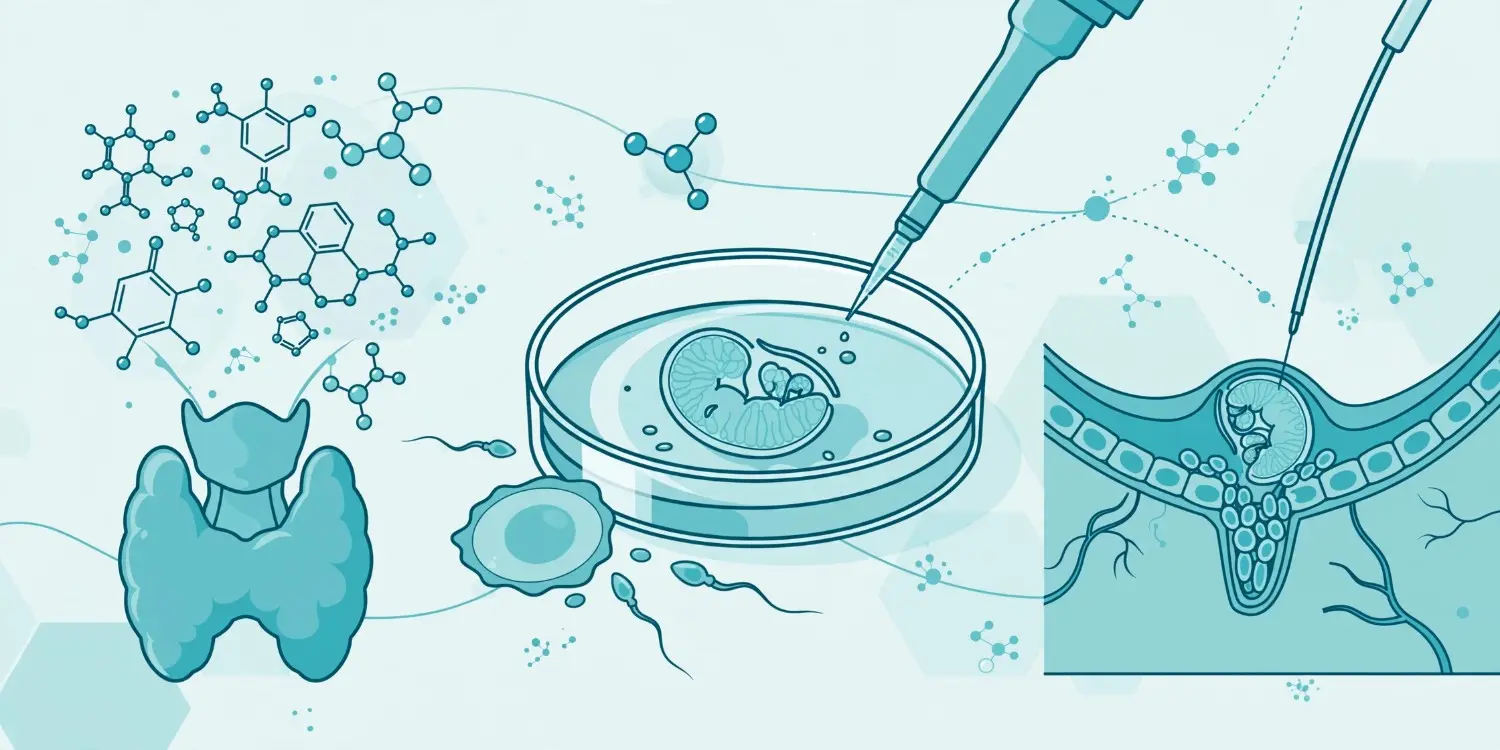
When your thyroid underproduces T3 and T4, your pituitary gland compensates by releasing more thyroid-stimulating hormone (TSH) to “wake up” the thyroid. However, elevated TRH (thyrotropin-releasing hormone) – the signal that triggers TSH release – also stimulates prolactin secretion.
Elevated prolactin is a problem because it directly suppresses gonadotropin-releasing hormone (GnRH), the master hormone that controls your entire reproductive cycle.
Step 2: GnRH Suppression Disrupts LH and FSH
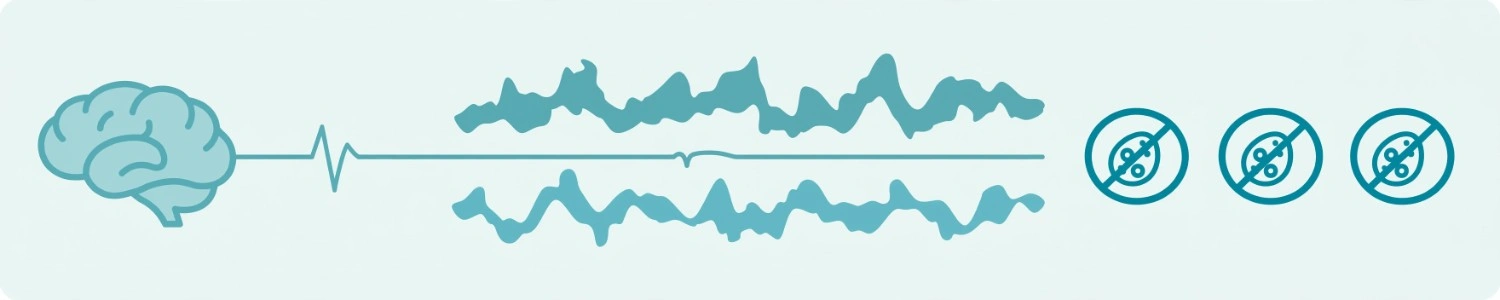
Without adequate GnRH pulses, your pituitary cannot release luteinising hormone (LH) and follicle-stimulating hormone (FSH) in the right rhythm. These two hormones are what mature your eggs and trigger ovulation. When their signalling becomes erratic:
- Follicles may not mature fully.
- The LH surge that triggers egg release may be blunted or absent.
- Cycles become anovulatory (no egg is released) even though bleeding still occurs.
This is precisely why many Indian women with hypothyroidism report “regular” periods and are shocked to learn, only after fertility testing, that they were not ovulating at all.
Step 3: Luteal Phase Defects
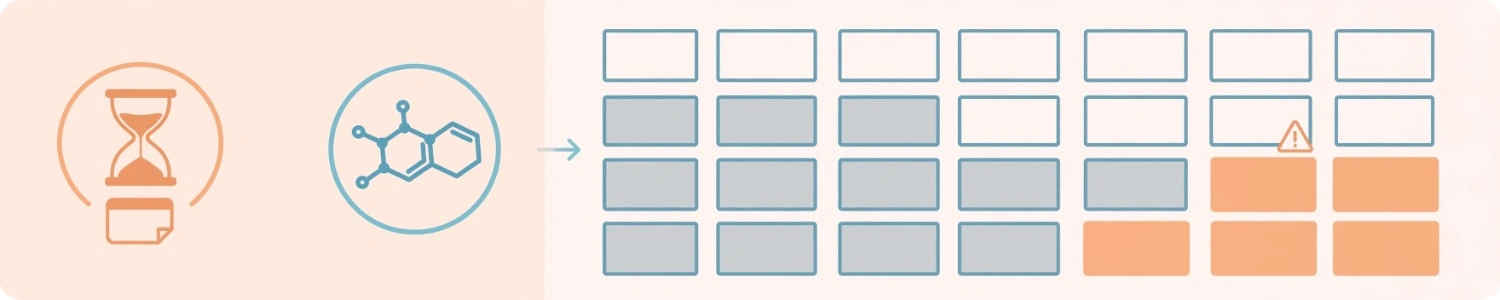
Even when ovulation does occur, hypothyroidism frequently shortens the luteal phase – the window after ovulation when the uterine lining should be building up, supported by progesterone, to receive a fertilised embryo. A luteal phase shorter than 10 days makes implantation far less likely, and even if implantation happens, early miscarriage risk increases.
Why This Matters More Than Most Women Realise
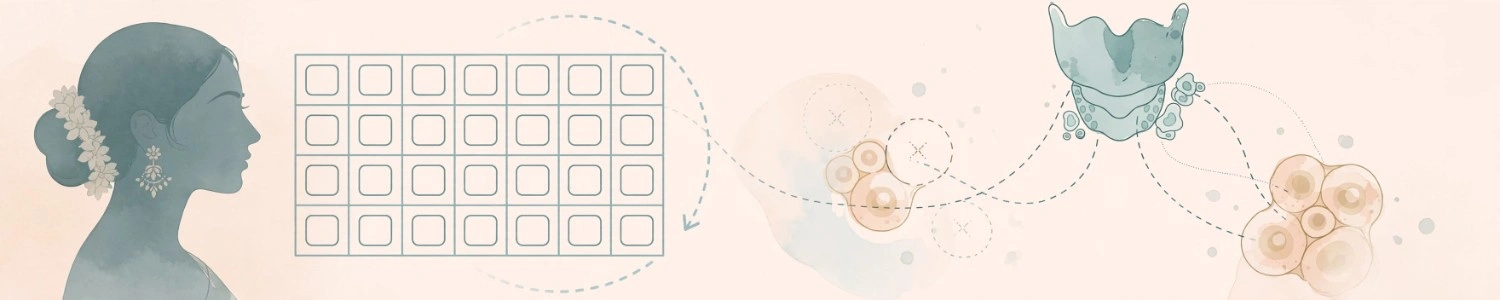
The tricky part of this hormonal cascade is that it does not announce itself loudly. A woman can have a completely typical-looking 28-day cycle, with bleeding that arrives on schedule, and still not be ovulating in a way that supports conception. Doctors sometimes call this “cycle regularity without reproductive competence” – the calendar looks fine, but the biology underneath it is not doing what it needs to do. This is precisely the gap that leads many Indian couples to spend months, sometimes years, trying home remedies and lifestyle tweaks before anyone suggests a thyroid test.
It is also worth noting that thyroid hormone receptors exist directly on ovarian granulosa cells and on the endometrium itself. This means thyroid hormones are not just acting indirectly through the pituitary; they are also required locally, inside the reproductive tissue, for normal follicle development and a receptive uterine lining. Consequently, even mild, borderline hypothyroidism can have a measurable effect at the tissue level long before it shows up as a missed period.
Normal vs. Disrupted Hormonal Sequence in Ovulation
| Hormonal Stage | Normal Function | Impact of Hypothyroidism |
|---|---|---|
| TRH/TSH signalling | Stable, low-level pulses | Elevated, triggers excess prolactin |
| Prolactin | Low outside of pregnancy/lactation | Elevated, suppresses GnRH |
| GnRH pulses | Regular, rhythmic | Irregular or blunted |
| LH surge | Sharp mid-cycle spike | Delayed, reduced, or absent |
| FSH | Supports follicle maturation | Follicle growth is inconsistent |
| Ovulation | Egg released around day 14 | Delayed, irregular, or absent |
| Luteal phase | 12–14 days, progesterone-supported | Often under 10 days |
How Hypothyroidism Affects Fertility in India: Beyond Ovulation
The impact does not stop at the ovulation stage. Hypothyroidism affects fertility in India’s women across the entire conception timeline, from egg quality to the earliest days of implantation.
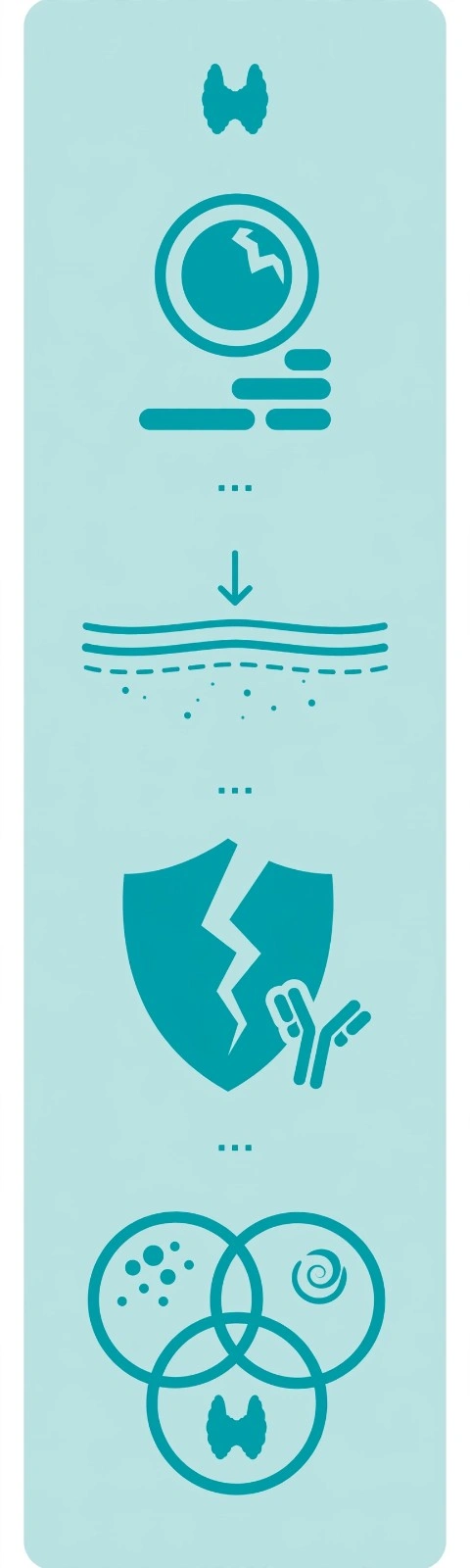
1. Reduced Egg Quality
Thyroid hormones play an essential role in oocyte (egg) maturation at the cellular level, supporting proper follicle development and the release of healthy eggs during ovulation. Chronic hypothyroidism has been associated with reduced egg quality, which may lower fertilisation rates and embryo quality. This impact can be seen not only during natural conception but also in assisted reproductive treatments such as IUI and IVF, where healthy egg development remains a critical factor for success.
2. Endometrial Receptivity Issues
The uterine lining (endometrium) requires adequate thyroid hormone support to achieve the optimal thickness, blood supply, and receptivity needed for successful embryo implantation. In women with untreated hypothyroidism, the endometrium may remain thinner or develop less effectively, creating a less favourable environment for implantation. Even if fertilisation occurs successfully, poor endometrial receptivity can reduce the chances of establishing a healthy pregnancy.
3. Higher Miscarriage Risk
Multiple clinical studies have shown that untreated or poorly controlled hypothyroidism, particularly when accompanied by thyroid autoantibodies such as anti-TPO antibodies, is associated with a significantly higher risk of first-trimester miscarriage. Thyroid hormone deficiency can affect early placental development and the hormonal balance required to sustain pregnancy. This is one of the strongest reasons fertility specialists recommend thyroid screening and appropriate treatment before, rather than after, a woman begins trying to conceive.
4. Interference With Other Fertility Conditions
Hypothyroidism frequently coexists with other hormonal disorders commonly seen in Indian women, including PCOS and endometriosis, and can further worsen their reproductive symptoms. It may contribute to more irregular ovulation, persistent hormonal imbalance, and reduced fertility, making these conditions harder to manage. If you have already been diagnosed with PCOS or endometriosis, it becomes even more important to rule out an underlying thyroid disorder, as treating one condition while overlooking hypothyroidism often leads to continued difficulty in understanding what happens during ovulation and conception, as well as delays in achieving pregnancy.
Treatment Options: What Actually Corrects Thyroid-Related Infertility
Once hypothyroidism is confirmed as a factor in delayed conception, treatment is usually straightforward and highly effective, which is part of why doctors consider it one of the more “fixable” causes of infertility compared to structural or genetic issues.
Levothyroxine Replacement Therapy
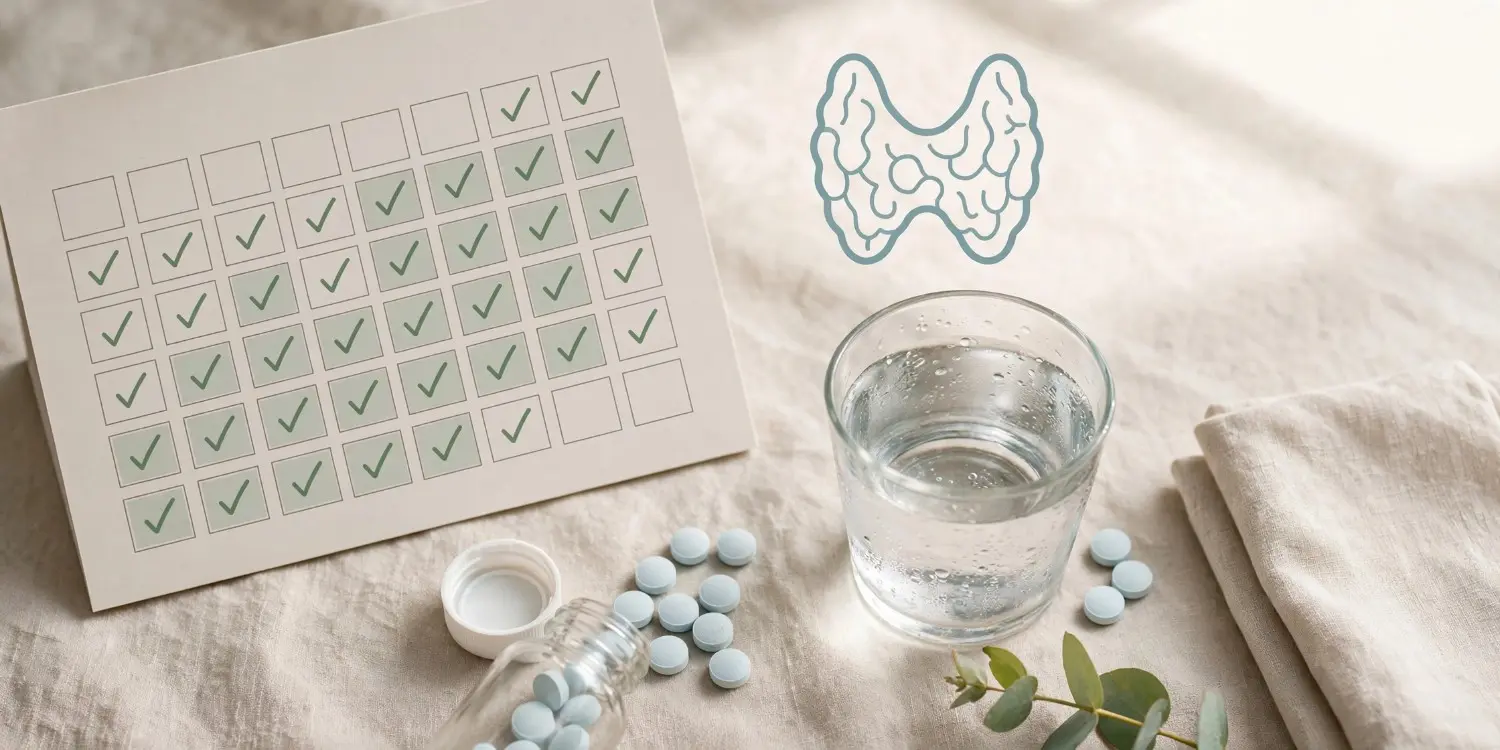
The standard first-line treatment is synthetic levothyroxine, a bioidentical form of T4 that the body converts into active T3 as needed. Dosage is calculated based on body weight, baseline TSH, and the severity of the deficiency, then fine-tuned through repeat blood tests every 4-6 weeks until the target range is reached.
- Consistency matters more than the exact time of day, as long as it is taken on an empty stomach at the same time daily.
- Full correction can take 6-8 weeks to reflect accurately in a TSH test, so patience during the adjustment phase is normal and expected.
- Dosage frequently needs to increase once pregnancy is confirmed, sometimes by as much as a third, because the growing fetus depends entirely on maternal thyroid hormone during the first trimester.
Addressing Autoimmune Thyroiditis
When anti-TPO antibodies are elevated (Hashimoto’s thyroiditis), treatment still centres on levothyroxine, but doctors may monitor more closely for fluctuations, since autoimmune thyroid disease can shift in severity, particularly around pregnancy and postpartum periods.
Combined Fertility Treatment When Needed
If hypothyroidism coexists with another diagnosed fertility condition, treatment plans are often combined. For instance, a woman with both hypothyroidism and PCOS may need thyroid correction alongside ovulation induction medication, since correcting the thyroid alone may not fully restore regular ovulation if insulin resistance is also present.
Postpartum Thyroiditis and Its Effect on Future Pregnancies
An often-overlooked chapter of this story is postpartum thyroiditis, a temporary inflammation of the thyroid gland that can occur within the first year after childbirth. It affects a meaningful proportion of Indian women and typically follows a two-phase pattern: a brief hyperthyroid phase, followed by a hypothyroid phase that can last several months.
For women planning a second pregnancy, this matters because:
- Thyroid function should be reassessed before trying to conceive again, even if the first pregnancy and delivery were uneventful.
- Postpartum thyroiditis increases the likelihood of developing permanent hypothyroidism later in life.
- Breastfeeding mothers experiencing unexplained fatigue or mood changes should not automatically assume these are only sleep-deprivation related; a thyroid check is a reasonable and low-cost step to rule out.
Hypothyroidism and Assisted Reproduction (IUI/IVF)
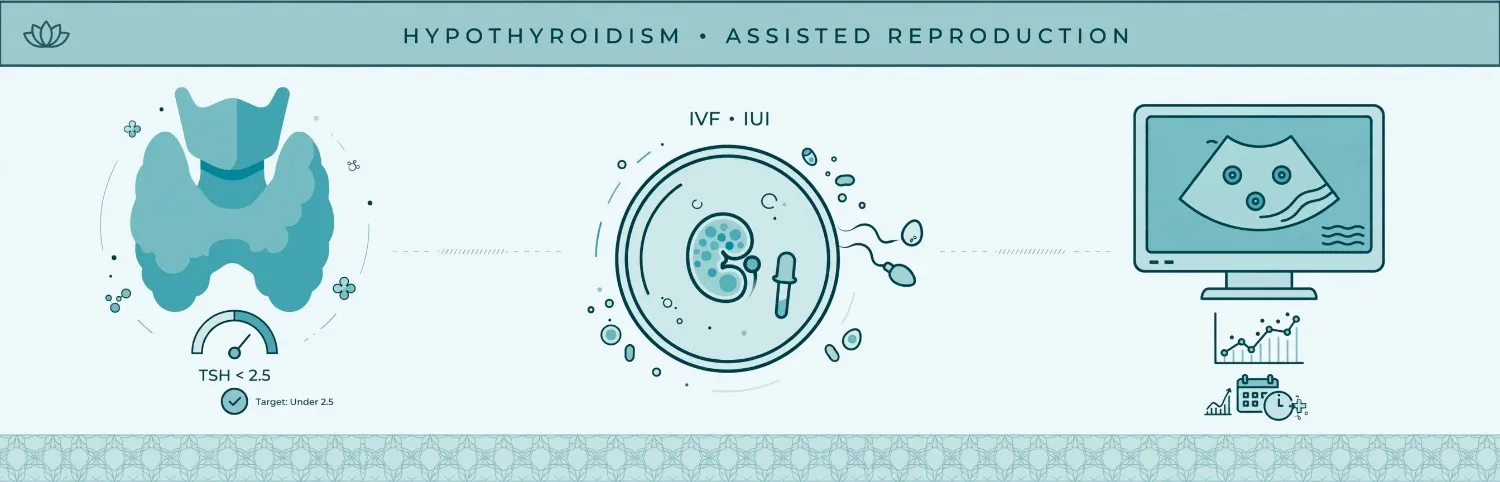
For Indian women who move on to assisted reproductive procedures after unsuccessful natural attempts, uncorrected thyroid dysfunction can reduce success rates significantly. Most fertility clinics in India now include a mandatory thyroid panel before starting an IUI or IVF cycle, for good reason:
- Ovarian stimulation medications used in IVF can further affect thyroid-binding globulin levels, meaning women with borderline thyroid function may need closer monitoring during a stimulated cycle.
- Embryo implantation rates are measurably lower in women with untreated subclinical hypothyroidism, even when embryo quality itself is normal.
- Fertility specialists generally prefer a TSH under 2.5 mIU/L before beginning any assisted reproduction cycle, mirroring the natural-conception target.
This is one of the clearest pieces of evidence that thyroid correction is not a “nice to have” adjustment but a foundational step that should happen before, not during, active fertility treatment.
Myths vs. Facts: Hypothyroidism and Fertility in India
| Myth | Fact |
|---|---|
| “If my periods are regular, my thyroid can’t be the problem.” | Regular bleeding can still occur without ovulation; cycle length alone does not confirm ovulatory function. |
| “Thyroid issues only matter once you’re already pregnant.” | Untreated hypothyroidism can prevent conception from happening at all by suppressing ovulation. |
| “Herbal remedies alone can fix an underactive thyroid.” | Dietary support helps, but diagnosed hypothyroidism generally requires medical treatment such as levothyroxine. |
| “A single normal TSH test rules out thyroid-related infertility permanently.” | Thyroid levels can shift over months, so repeat testing is often necessary, especially once pregnancy begins. |
| “Thyroid problems are rare in young women.” | Thyroid dysfunction, including subclinical cases, is common among Indian women well within their most fertile years. |
Symptoms Indian Women Often Dismiss or Misattribute
One of the biggest challenges with hypothyroidism is that its symptoms are easy to explain away, especially in a culture where fatigue and weight fluctuations are often normalised as part of daily life or dietary habits.
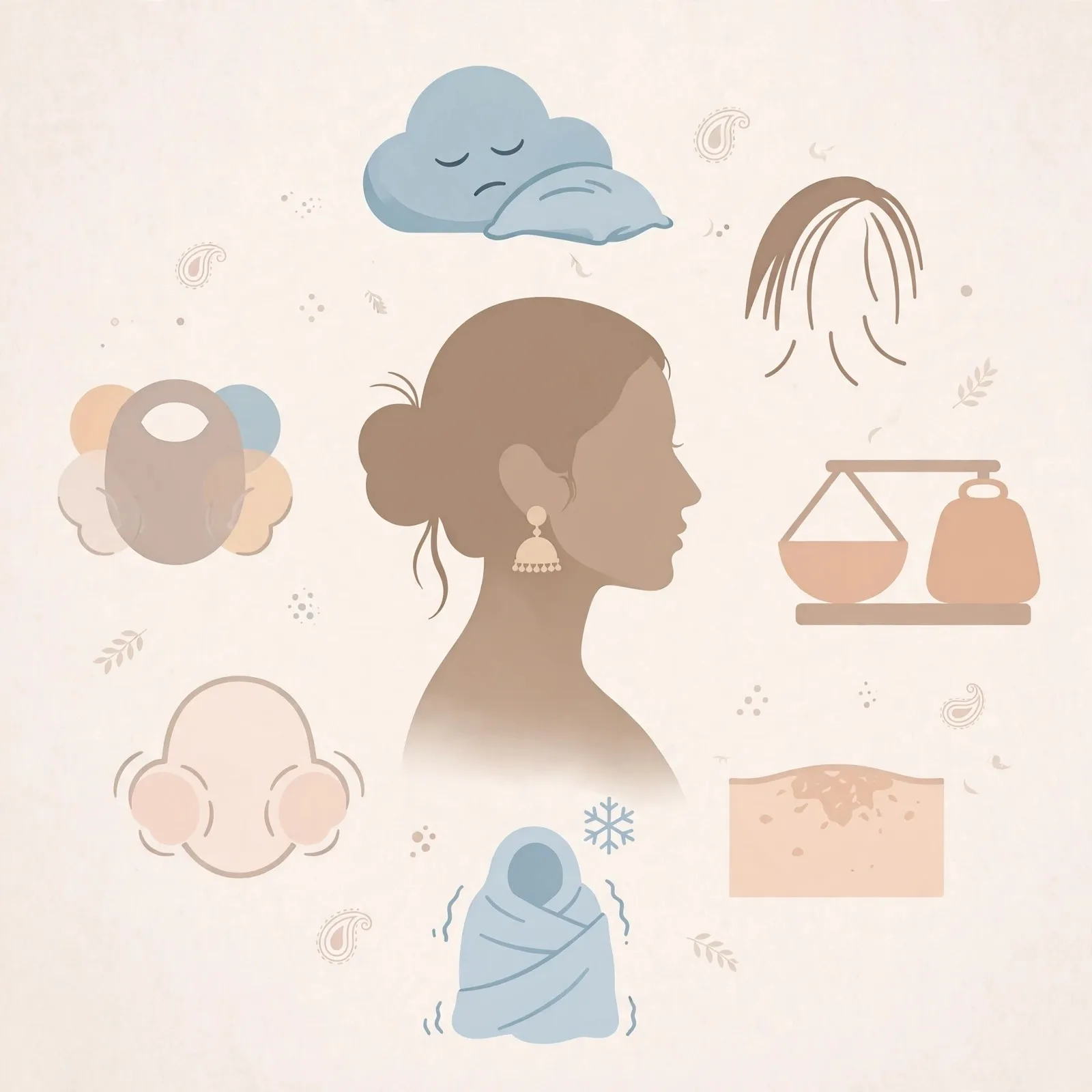
Common overlooked symptoms include:
- Persistent fatigue, even after adequate sleep
- Unexplained weight gain or difficulty losing weight
- Hair thinning or excessive hair fall
- Dry skin and brittle nails
- Cold intolerance
- Constipation
- Irregular, heavy, or unusually light periods
- Puffiness around the eyes or face
- Low mood or difficulty concentrating (often mistaken for general stress)
- Difficulty conceiving despite regular intercourse timed correctly
Because these symptoms build up gradually, many women only connect the dots after consulting a fertility specialist, sometimes years after symptoms first began.
TSH Levels and What They Mean for Fertility
Not all thyroid dysfunction looks the same on a lab report, and the “normal” range used for the general population is not necessarily the right benchmark when you are trying to conceive.
| TSH Level (mIU/L) | Classification | Fertility Implication |
|---|---|---|
| 0.4 – 2.5 | Optimal for conception | Ideal range recommended by most fertility specialists |
| 2.5 – 4.5 | High-normal / borderline | May still affect ovulation in sensitive individuals |
| 4.5 – 10 | Subclinical hypothyroidism | Associated with ovulatory dysfunction and miscarriage risk |
| Above 10 | Overt hypothyroidism | Strongly linked to anovulation and infertility |
Many Indian labs still report the general population’s upper TSH limit as 4.5–5.5 mIU/L, which can mean a woman actively trying to conceive is told her thyroid is “normal” when, for fertility purposes, it is not optimal. This is a common and consequential gap in awareness, and it is worth specifically asking your doctor whether your TSH falls within the preconception target range, not just the general reference range.
Common Mistakes Indian Women Make When Dealing With Thyroid-Related Infertility
Mistake #1 Assuming regular periods rule out an ovulation problem.
As explained earlier, anovulatory cycles can still produce regular bleeding.
Mistake #2 Relying only on a single TSH test.
Thyroid levels fluctuate, and one reading, especially during acute stress or illness, may not reflect your baseline.
Mistake #3 Self-adjusting thyroid medication dosage.
Under- or over-correcting levothyroxine dosage without medical supervision can worsen fertility outcomes in either direction.
Mistake #4 Ignoring thyroid antibody testing.
Anti-TPO antibodies can be elevated even when TSH looks acceptable, and they independently raise miscarriage risk.

Mistake #5 Delaying treatment while trying “natural remedies” alone.
Dietary and lifestyle changes matter, but they are a complement to medical treatment, not a replacement for it in diagnosed hypothyroidism.
Mistake #6 Not re-testing thyroid levels once pregnant.
Hormone requirements increase substantially in early pregnancy, and dosage often needs adjustment within the first trimester.
Expert Tips for Managing Hypothyroidism While Trying to Conceive
- Get a full thyroid panel, not just TSH. Ask specifically for Free T4, Free T3, and anti-TPO antibodies alongside TSH.
- Target a preconception TSH under 2.5 mIU/L, as recommended by most reproductive endocrinologists, rather than relying on general population reference ranges.
- Take levothyroxine consistently, ideally first thing in the morning on an empty stomach, at least 30–60 minutes before food or coffee, since absorption is highly sensitive to timing.
- Space out calcium, iron, and levothyroxine. These supplements, common in Indian prenatal regimens, interfere with thyroid hormone absorption if taken too close together.
- Prioritise iodine-adequate nutrition, particularly through iodine and folate-rich Indian foods, while avoiding excessive raw goitrogenic vegetables like cabbage and cauliflower in large, uncooked quantities.
- Recheck TSH every 4–6 weeks once medication is adjusted, and immediately after a positive pregnancy test, since dosage needs typically rise by 25–50% in early pregnancy.
- Track ovulation directly, rather than relying on cycle regularity alone, using basal body temperature or ovulation predictor kits, especially while thyroid levels are being stabilised.
Step-by-Step: What to Do If You Suspect Hypothyroidism Is Affecting Your Fertility
- Book a thyroid panel (TSH, Free T4, Free T3, anti-TPO) alongside baseline fertility hormone tests.
- Share your full symptom history with your doctor, including subtle signs like hair fall or fatigue that you may have dismissed.
- Ask specifically about preconception TSH targets, not just the standard reference range on your report.
- Start or adjust treatment under medical supervision, and avoid altering dosage independently.
- Time intercourse around your fertile window once cycles stabilise, using resources like a guide to the best time to have intercourse to conceive to maximise your chances each cycle.
- Support your body nutritionally with a structured fertility diet plan that accounts for thyroid health alongside general reproductive nutrition.
- Recheck levels every trimester if you do conceive, since untreated or under-treated hypothyroidism during pregnancy carries risks for both mother and baby.
Hypothyroidism vs. Other Common Fertility-Affecting Conditions in Indian Women
| Condition | Primary Hormonal Disruption | Typical Cycle Symptom | Overlap With Hypothyroidism |
|---|---|---|---|
| Hypothyroidism | Low T3/T4, elevated TSH and prolactin | Irregular or seemingly normal cycles | — |
| PCOS | Elevated androgens, insulin resistance | Irregular, often long cycles | Common; can worsen anovulation together |
| Endometriosis | Inflammatory, not primarily hormonal | Painful periods, normal cycle length | Less direct, but delayed diagnosis compounds both |
| Hyperprolactinemia | Elevated prolactin (independent cause) | Irregular or absent periods | Can result from hypothyroidism itself |
If your symptoms don’t fully match the hypothyroidism pattern, it may be worth reading about how endometriosis is often diagnosed late in Indian women as a parallel condition to rule out.
When Should You See a Specialist?
Not every woman needs to rush to an endocrinologist the moment she starts trying to conceive, but certain signs should prompt a faster, more targeted evaluation rather than a “wait and watch” approach:
- You have been trying to conceive for more than six months without success, particularly if you are under 35.
- Your cycles have become noticeably longer, shorter, or more unpredictable over the past year.
- You have a family history of thyroid disease or other autoimmune conditions.
- You experience persistent fatigue, cold intolerance, or hair thinning alongside fertility difficulty.
- You have had a previous miscarriage, especially in the first trimester, without a clearly identified cause.
- You have already been diagnosed with PCOS or endometriosis but have not had a thyroid panel done alongside it.
A reproductive endocrinologist or a gynaecologist with fertility experience is generally better positioned than a general physician to interpret thyroid results specifically through a conception lens, since the “acceptable” range differs meaningfully from general population norms, as covered earlier in this article.
What a Thorough Fertility-Focused Thyroid Work-Up Looks Like
A comprehensive evaluation typically goes beyond a single TSH number. Expect your doctor to consider:
- TSH, ideally tested in the morning for consistency across repeat visits.
- Free T4 and Free T3, to understand actual circulating hormone levels rather than just the pituitary’s signal.
- Anti-TPO and anti-thyroglobulin antibodies, to identify autoimmune involvement.
- Prolactin levels, since, as explained earlier, hypothyroidism can elevate prolactin independently.
- A pelvic ultrasound and ovulation tracking, to correlate hormonal findings with what is actually happening in your cycle.
Bringing a symptom timeline to this appointment, even a simple note on your phone listing when fatigue, hair fall, or cycle changes began, can meaningfully speed up diagnosis, since these details often get lost in a rushed consultation.
Frequently Asked Questions
1. Can hypothyroidism really stop me from getting pregnant even if my periods are regular?
Yes. Hypothyroidism affects fertility in India’s women even with seemingly regular cycles, because it can suppress ovulation while bleeding continues. This is called an anovulatory cycle, and it is one of the most under-recognised effects of thyroid dysfunction.
2. What TSH level is considered safe for conception?
Most reproductive endocrinologists recommend a preconception TSH below 2.5 mIU/L, which is stricter than the general population’s reference range of up to 4.5–5.5 mIU/L.
3. How long after starting thyroid medication can fertility improve?
Many women see cycle regularity and ovulation improve within 6–12 weeks of achieving optimal TSH levels, though timelines vary based on how long the imbalance was present and any coexisting conditions.
4. Does subclinical hypothyroidism need treatment if I’m trying to conceive?
Many fertility specialists recommend treating subclinical hypothyroidism (TSH between 4.5–10 mIU/L) in women actively trying to conceive, given its documented association with ovulatory dysfunction and miscarriage risk.
5. Can hypothyroidism cause miscarriage even after a positive pregnancy test?
Untreated or under-treated hypothyroidism, particularly with elevated thyroid antibodies, is linked to a higher risk of early miscarriage, which is why thyroid levels should be rechecked immediately after conception.
6. Is hypothyroidism more common in Indian women than elsewhere?
India reports a comparatively high burden of thyroid disorders due to regional iodine deficiency, rising autoimmune thyroiditis cases, and low rates of routine thyroid screening among women of reproductive age.
Conclusion
Hypothyroidism affects fertility in India far more often than most women realise, precisely because its symptoms are so easy to overlook and its hormonal impact on ovulation is so indirect. The encouraging part is that this is one of the most manageable and reversible causes of delayed conception, once it is correctly diagnosed and consistently treated. If your cycles feel unpredictable, if you’ve been trying to conceive without success, or if fatigue and unexplained symptoms have become your new normal, a simple thyroid panel could be the clearest next step toward answers. Start your journey toward understanding with a clearer picture of how to conceive naturally what your hormones are actually telling you.
Explore the Scientifically-Proven Resources on How To Conceive Naturally →
One thought on “How Hypothyroidism Affects Female Fertility, Ovulation, and Conception?”