
Fertility after 30 in India naturally declines because egg quantity and quality drop gradually while hormonal regulation of ovulation becomes less predictable. This decline is gradual, not a cliff – most women in their early 30s still conceive without medical help. Understanding what actually changes lets you work with your body instead of panicking about a number on a birthday cake.
If you have searched for information on fertility after 30 India naturally, chances are someone – a relative, a doctor, or a worried inner voice – has already mentioned your “biological clock.” For every couple actively trying to conceive naturally, turning 30 can feel like a deadline rather than a birthday. But the real story is more nuanced: fertility does shift after 30, yet the shift is slow enough that natural conception is very much on the table for most women in their early and mid-30s, provided they understand what is actually happening inside their body and adjust their approach accordingly.

This guide breaks down the real biological changes behind fertility after 30, separates fact from fear-mongering, and lays out a practical, natural roadmap – nutrition, timing, lifestyle, and monitoring – that Indian women can use to support conception without jumping straight to medical intervention.
What Does “Fertility After 30” Actually Mean?
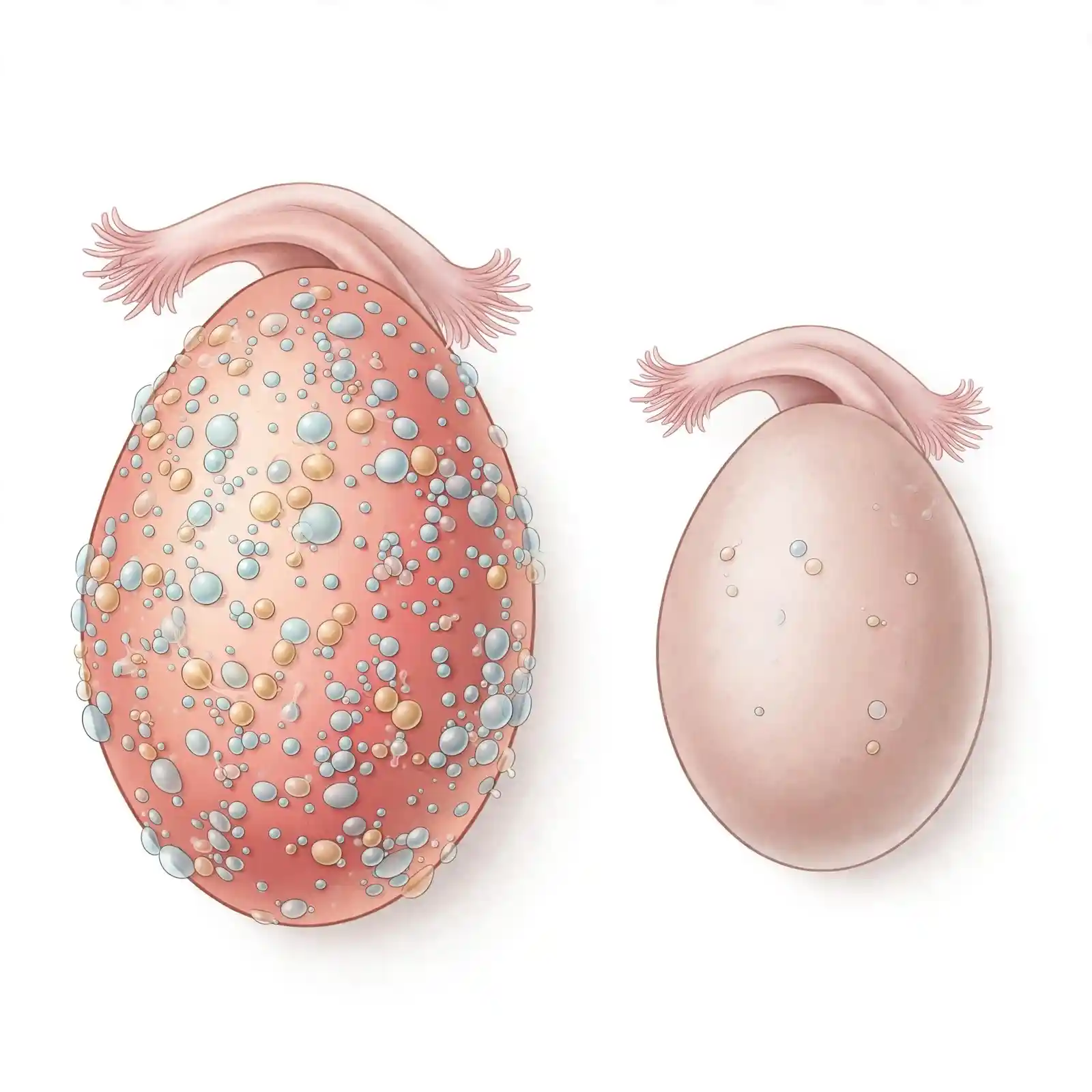
In plain terms, fertility after 30 refers to the gradual decline in a woman’s chance of conceiving each month once she crosses the age of 30, driven mainly by a slow reduction in ovarian reserve (the number and quality of eggs remaining in the ovaries) as part of the natural aging process.
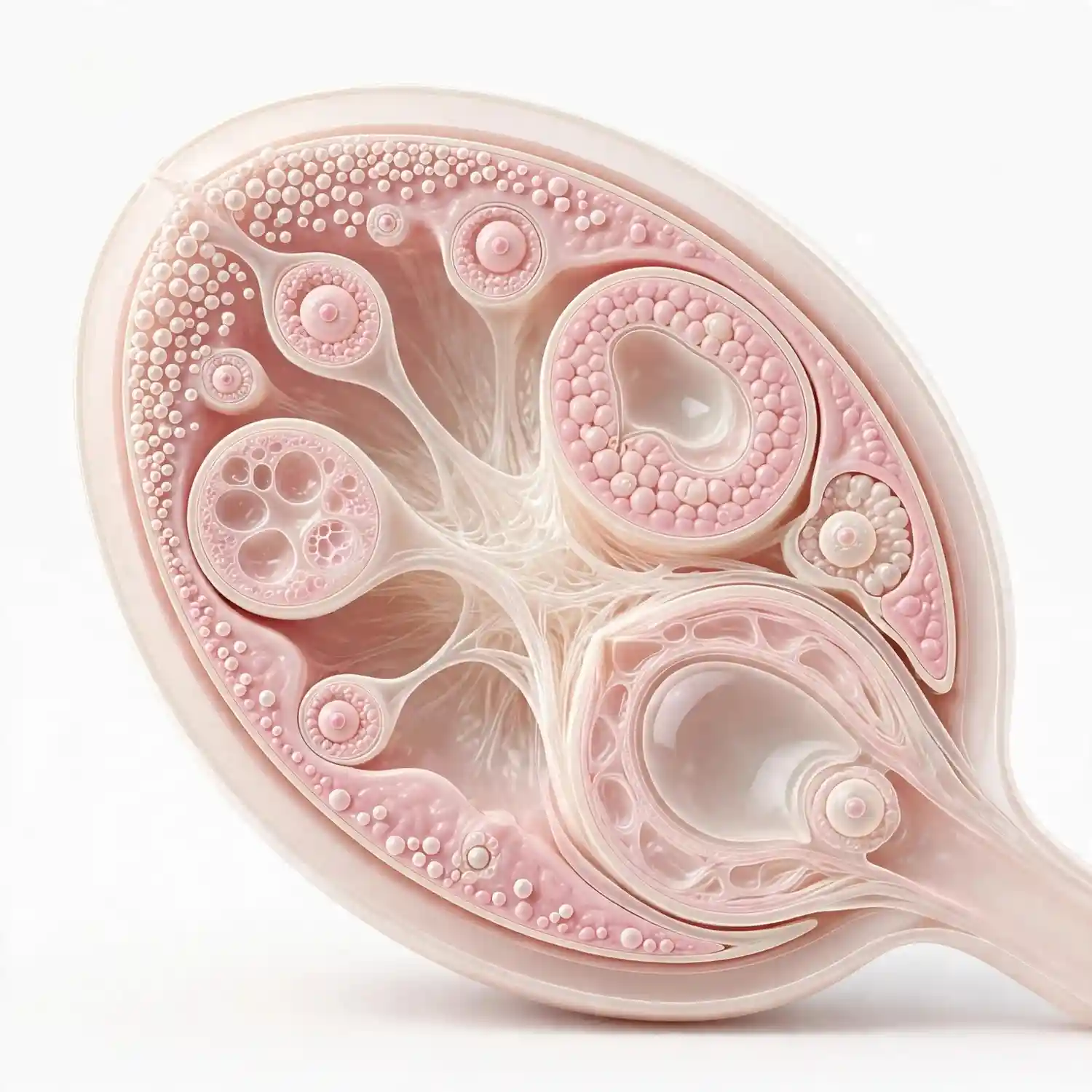
A few quick facts to anchor this discussion:
- Women are born with all the eggs they will ever have-around 1 to 2 million at birth. By puberty, that number naturally declines to approximately 300,000–500,000, and it continues to decrease throughout reproductive life.
- Research shows that women in their early 30s are generally about half as fertile as women in their early 20s, with the decline becoming more pronounced after age 35.
- Fertility does not suddenly drop when a woman turns 30. Instead, it declines gradually throughout the early 30s, with a faster reduction in both egg quantity and egg quality after age 35.
- Studies indicate that a woman’s chances of conceiving naturally decrease with each passing year after age 30, and the rate of decline accelerates further after approximately age 37.

Turning 30 is not a biological deadline for fertility, nor does it mean your ability to conceive suddenly changes overnight. However, it is an appropriate time to become more proactive about your reproductive health. Paying closer attention to your menstrual cycle, maintaining a nutrient-rich diet, staying physically active, managing stress, and keeping up with regular health check-ups can all help support fertility as you get older.

The Real Biological Changes After 30
Understanding fertility after 30 in India naturally starts with three connected systems: egg quantity, egg quality, and hormonal signalling. None of these collapse overnight; they shift gradually, and each plays a different role in how easily you conceive.
Egg Quantity: A Slow, Steady Decline

Every woman is born with a finite number of eggs, and that number only goes down, never up. Through your 20s, the decline is slow and barely noticeable month to month. By your early 30s, the rate of loss speeds up slightly, and by your mid-to-late 30s, it accelerates further. This is why ovarian reserve testing (AMH levels, antral follicle count) becomes a more common conversation once women cross 30 – not because something is wrong, but because it helps map out a realistic timeline.
Egg Quality: The More Important Factor

Quantity gets more attention, but quality often matters more for conception. As eggs age along with the rest of the body, they become statistically more prone to chromosomal irregularities, which can make fertilisation less efficient or increase early pregnancy loss. This is a gradual biological process rather than something that switches on at a specific age, and lifestyle factors – diet, stress, sleep, toxin exposure – all influence how well egg quality holds up over time.
Hormonal and Ovulatory Shifts

As ovarian reserve narrows, the hormonal feedback loop between the brain (via FSH and LH) and the ovaries has to work slightly harder to trigger ovulation each month. In many women, this shows up first as subtle cycle changes:
- Cycles that were once a predictable 28 days may shorten to 25-26 days.
- The follicular phase (before ovulation) often shortens first, while the luteal phase stays relatively stable.
- Ovulation may become slightly less consistent, even while periods remain regular.
If your cycles have changed noticeably or become irregular, it is worth reading our detailed guide on what actually happens during ovulation and conception to understand what “normal” looks like for you.
Fertility Markers by Age: A Quick Reference Table
| Age Range | Average Egg Count (Ovarian Reserve) | Monthly Conception Chance | General Outlook |
|---|---|---|---|
| 20-29 | High | ~25-30% per cycle | Peak natural fertility |
| 30-34 | Moderate, declining slowly | ~20% per cycle | Still favourable; minor cycle shifts possible |
| 35-39 | Declining more noticeably | ~10-15% per cycle | Natural conception common but may take longer |
| 40+ | Significantly reduced | Below 10% per cycle | Medical evaluation often recommended earlier |
Note: these figures are general population averages and vary widely by individual health, weight, lifestyle, and underlying conditions such as PCOS or endometriosis.
Common Myths About Fertility After 30 (and Why They’re Misleading)

Misinformation causes as much stress as the biology itself. Here are the mistakes we see most often among Indian couples researching fertility after 30 India naturally.
Myth 1: “Fertility falls off a cliff at 30.”
In reality, the drop between 29 and 31 is minimal. The more meaningful decline begins after 35.
Myth 2: “If my periods are regular, ovulation must be perfect.”
Regular bleeding does not guarantee strong ovulation quality every cycle; anovulatory cycles can still occur with a normal-looking calendar.
Myth 3: “Only the woman’s age matters.”
Male fertility also declines with age, and sperm quality is directly affected by lifestyle – which is why we cover this in depth in our guide on natural ways Indian men can improve sperm count and quality.
Myth 4: “Natural conception after 30 is rare.”
It is not – most women in their early 30s conceive within a year of regular, well-timed intercourse.
Myth 5: “Supplements alone will reverse egg aging.”
No supplement reverses biological ageing of eggs, though several nutrients support the environment eggs and hormones need to function well.
What You Can Still Do Naturally to Support Fertility After 30
This is where the useful part of the conversation begins. While you cannot add back eggs, you can meaningfully support egg quality, hormonal balance, and the overall conditions for conception.
1. Track Ovulation Instead of Guessing
Once you cross 30, precision matters more than it did at 24. Rather than assuming a textbook cycle, track:
- Basal body temperature (a slight rise after ovulation confirms it occurred).
- Cervical mucus changes (clear, stretchy mucus signals your fertile window).
- Ovulation predictor kits for an LH surge.

Timing intercourse correctly around this window has an outsized impact on conception odds – our guide on the best time to have intercourse to conceive walks through this in detail.
2. Prioritise Egg-Supportive Nutrition

Diet will not turn back the clock, but it strongly influences egg quality and hormonal balance. Focus on:
- Folate-rich foods – leafy greens, lentils, and fortified cereals support healthy cell division in developing eggs; see our list of Indian food sources of folic acid for women trying to conceive.
- Antioxidant-rich foods – berries, nuts, and colourful vegetables help counter oxidative stress, one contributor to age-related egg quality decline.
- Healthy fats – ghee, nuts, and fatty fish support hormone production.
- Balanced protein – plant and animal protein sources support overall reproductive hormone synthesis.
For a full structured approach, our complete fertility diet meal plan guide breaks this down meal by meal.
3. Manage Weight Within a Healthy Range

Both being significantly underweight and being significantly overweight can disrupt ovulation by affecting oestrogen regulation. Working toward a stable, moderate weight – rather than rapid extreme dieting – tends to support more consistent cycles.
4. Address Underlying Conditions Early
Conditions like PCOS, hypothyroidism, and endometriosis become more consequential to fertility timelines after 30, simply because there is less time to “wait it out.” If your cycles are irregular or painful, it is worth ruling these out early:
- Does PCOS always stop ovulation?
- How hypothyroidism affects female fertility and ovulation
- Endometriosis in Indian women: why it’s diagnosed late and how it affects fertility
5. Reduce Chronic Stress Where Possible

Chronic stress affects the same hormonal axis (hypothalamic-pituitary-ovarian) that governs ovulation. While stress alone rarely causes infertility, persistently high cortisol can disrupt cycle regularity. Simple, sustainable practices – short daily walks, breathing exercises, adequate sleep – tend to help more than occasional intense interventions.
6. Limit Alcohol, Tobacco, and Excess Caffeine

These are among the few lifestyle factors with strong evidence linking them to reduced fertility at any age, and their impact becomes more noticeable when ovarian reserve is already declining.
Expert Tips for Trying to Conceive Naturally After 30
Tip 1: Give it real time, but not unlimited time.
Most fertility specialists suggest trying for six months (rather than a full year) before seeking evaluation once you are over 35, and up to a year if you are between 30-34.
Tip 2: Have intercourse every 1-2 days during your fertile window
Have intercourse every 1-2 days during your fertile window, rather than saving up for “the perfect day” – sperm survive several days, so consistency beats precision.
Tip 3: Get baseline bloodwork done proactively
Thyroid panel, vitamin D, and iron levels are inexpensive checks that can reveal correctable issues early.
Tip 4: Involve your partner in lifestyle changes
Male fertility factors are involved in roughly half of all conception delays, so shared changes tend to work better than one-sided ones.
Tip 5: Avoid excessive, unsupervised supplementation
More is not automatically better; a doctor or nutritionist can guide dosages appropriately.
When to See a Doctor: Red Flags Not to Ignore
Trying naturally is reasonable and often successful after 30, but certain signs call for earlier medical input rather than extended self-management:
- No pregnancy after 12 months of trying (or 6 months if you are 35 or older).
- Cycles shorter than 21 days or longer than 35 days.
- Very painful periods, which can indicate endometriosis.
- Known thyroid disorders, PCOS, or a family history of early menopause.
- Two or more early pregnancy losses.
Infertility is generally defined as being unable to achieve pregnancy after a year of regular, unprotected intercourse, or after six months if the woman is older than 35, which is why the six-month benchmark matters more as you approach and cross 35.
Natural Approach vs Medical Evaluation: When Each Makes Sense
| Situation | Natural Approach First | Consider Medical Evaluation |
|---|---|---|
| Age 30-34, regular cycles, trying under 12 months | Yes | Optional baseline check-up |
| Age 35-39, trying under 6 months | Yes, alongside a baseline check-up | Recommended after 6 months |
| Age 40+ | Short trial period only | Recommended promptly |
| Irregular or absent periods at any age | Investigate cause first | Recommended sooner |
| Known condition (PCOS, thyroid, endometriosis) | Combine with medical guidance | Recommended in parallel |
Step-by-Step: Building a Fertility-Friendly Routine After 30

Step 1: Get a baseline health check
Thyroid, vitamin D, iron, and a basic hormone panel if your doctor recommends it.
Step 2: Start cycle tracking
Start cycle tracking for at least two full months before making other changes, so you understand your actual pattern.
Step 3: Adjust your plate
Adjust your plate using the folate, antioxidant, and healthy-fat principles above.
Step 4: Set a consistent sleep window
Aim for 7-8 hours, since irregular sleep disrupts reproductive hormones.
Step 5: Build in stress-management time
Even 15 minutes of daily walking or breathing exercises counts.
Step 6: Time intercourse around your fertile window
Time intercourse around your fertile window, identified through tracking.
Step 7: Reassess at the 6-month mark
Reassess at the 6-month mark (if 35+) or 12-month mark (if under 35), and consult a fertility specialist if there is no progress.
Frequently Asked Questions
Does fertility really drop significantly after 30?
Fertility declines gradually after 30 and more noticeably after 35, but it does not drop sharply the moment you turn 30. Most women in their early 30s conceive naturally within a year of trying.
What is the best natural way to boost fertility after 30?
Consistent ovulation tracking combined with a nutrient-dense, folate-rich diet and stress management tends to offer the most reliable natural support for fertility after 30.
How long should I try naturally before seeing a doctor after 30?
Most specialists suggest trying for up to 12 months if you are between 30-34, and around 6 months if you are 35 or older, before seeking a fertility evaluation.
Can PCOS or thyroid issues affect fertility after 30 more than in your 20s?
Yes – because ovarian reserve is already declining with age, an untreated condition like PCOS or hypothyroidism has less time to be “waited out,” making early diagnosis more valuable after 30.
Does male age also affect fertility after 30?
Yes. Male fertility declines with age as well, though more gradually than female fertility which is why lifestyle changes for both partners matter.
Is it possible to conceive naturally after 35 in India without treatment?
Yes, many women conceive naturally after 35, though the average time to conception is often longer and the value of an early medical check-up increases.
Conclusion
Fertility after 30 in India naturally does change – egg quantity and quality decline gradually, and hormonal signalling becomes a little less forgiving with each passing year. But this is a gradual curve, not a sudden wall, and the vast majority of women in their early 30s go on to conceive naturally with the right timing, nutrition, and awareness of their own cycle. The most useful thing you can do right now is stop guessing and start understanding your body – through tracking, targeted nutrition, and addressing any underlying conditions early. If you are ready to take a more structured, evidence-based approach to conceiving naturally, for tools and resources built specifically for this stage of the journey.